
Introduction
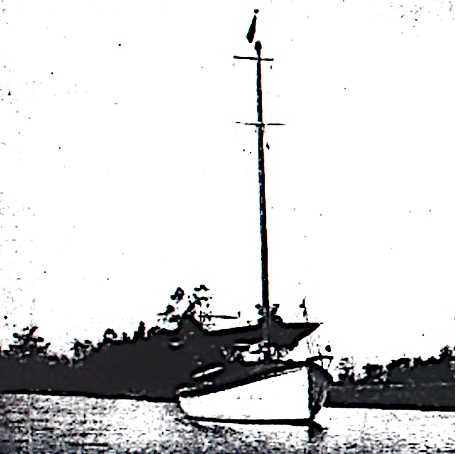
On 8 April 1926, six mates who were members of the Royal Prince Alfred Yacht Club (RPAYC) in Sydney, set out from Newport, Sydney, aboard the yacht Mayrah on a two-week recreational cruise to Port Stephens and on to Bulahdelah.
Each of the sailing party took responsibility for fulfilling a particular function on board, such as the cook and mate positions.
Beside using sails while travelling north along the coast the party utilised the engine on board to manoeuvre through the confines of Port Stephens and the Myall River.
One of the members of the party, Sydney M Dempster, one time commodore of RPAC, wrote a description of the journey and observations of the Port Stephens area during the time spent there.
The story was published in the July and August editions of The Australian Motor Boat and Yachting Monthly and also in the following editions of the Dungog Chronicle:
12 November 1926, page 4; 26 November 1926, page 4;
10 December 1926, page 4; 7 January 1927, page 3;
11 January 1927, page 4; 18 January 1927, page 4.
The story of the journey, as written by Sydney Dempster, is told below.
Background
‘It was in January of 1926, soon after our skipper had become the proud owner of the auxiliary yacht (designed as a sailing craft but powered with an engine), Mayrah, that charmed with the salt of good fellowship, he invited five of his pals to constitute his crew in a cruise to the Myall Lakes, to commence in the ensuing April, with the result that the following members signed on: — H. B. Treacy, owner-skipper, engineer and cook; Syd. Dempster, mate and purser; Reg Carter, second engineer and handy man; Bertie Welch, chief steward and Beau Brummel; Roy Millard, deck hand and official photographer.
The measurements of the little vessel were: length 33ft., beam 11ft, draught 4ft. 8in., of 11.56 tons burthen, fitted with an auxiliary engine of 50 h.p., 6 cylinders, 12 sparking plugs, dual magnetos, lighting set and spare batteries.
The usual arrangements for fitting out and provisioning were thrashed out with meticulous care, and the crew finally met at lunch in the rooms of the Royal Prince Alfred Yacht Club at 9Newport, Sydney) a couple of days before the projected departure, to make sure that there would be no delinquents, and also that the duties allocated to each were being carried out. ….
Prior to our departure the mate had, at the request of the skipper, written to our mutual yachting friend, Arthur Cutler, who resides at Myall Lakes, accepting his kind invitation that members of the Royal Prince Alfred Yacht Club were welcome to his hospitality whenever paying a visit to those waters, at the same time inviting Arthur Cutler to join the yacht whilst cruising in the Lakes. We also asked his opinion as to the necessity of engaging a pilot, and he advised that for a boat drawing more than 3ft. 6in. it was advisable to have local knowledge. So, through his assistance, a pilot was engaged beforehand.
Three days before we sailed, whilst the yacht was on the slip, and having been passed A.1 at Lloyd’s by the skipper, a fire broke out through an electric spark setting alight some petrol fumes which were hanging about under the engine. Fortunately, the shed hands managed to put it out, but not before unpleasant damage was done to engine appurtenances, cabin fittings, furnishings, etc. However, as projected, the ship was stowed and ready to sail on the day agreed upon.
It is almost incredible the amount of gear, provisions and paraphernalia that is necessary, and can be stowed on a yacht when fitting out for such a cruise. This procedure is much facilitated if carried out with the vessel on a slip, but on-board ship there is a place for everything, and if this rule is adhered to, much difficulty and disorder is overcome.
Mayrah’s Course
The following two charts of the Mayrah’s course were published in the July and August editions of The Australian Motor Boat and Yachting Monthly.
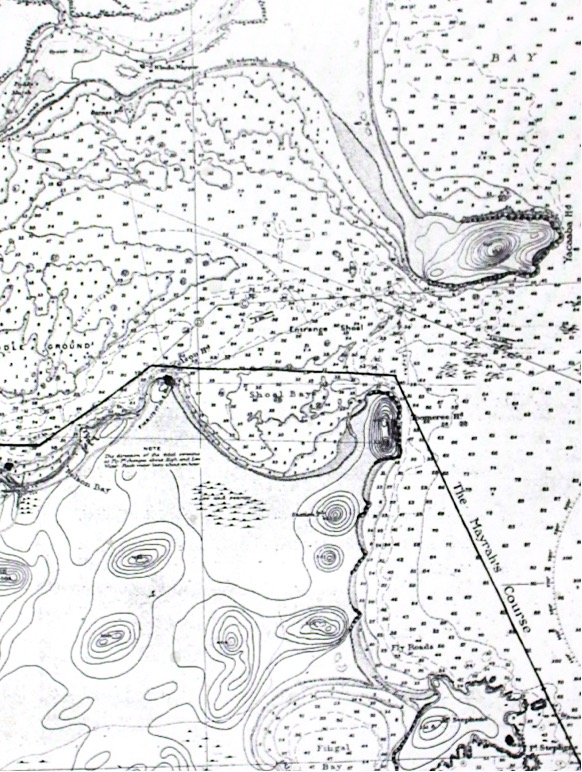
Course into Nelson Bay
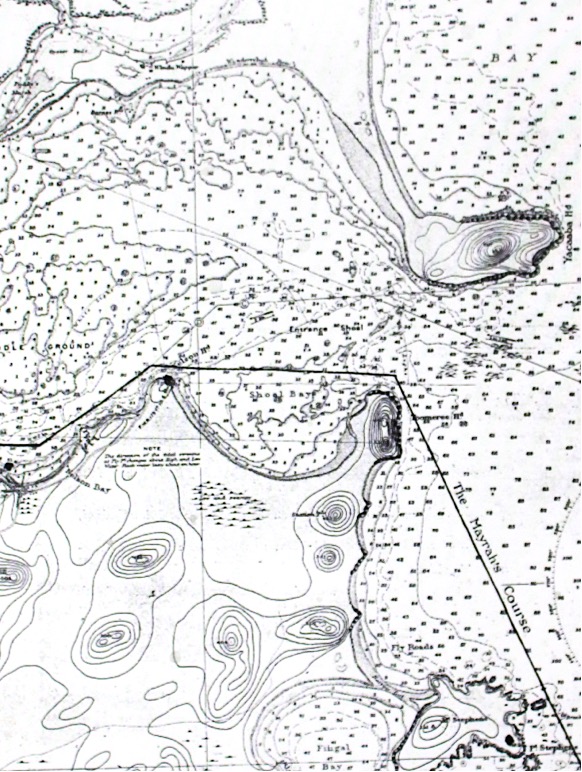
Course from Nelson Bay to Pindimar area
Journey – 8 April to 23 April 1926
8 April: In due course on Thursday, April 8, 1926, all hands came aboard sober and up to time. An 8ft. dinghy was stowed on deck forward of the mast. The sails were hoisted, the flags broken out, and we left our moorings with the sun just over the yard arm. As we floated down the harbor with a clear sky, mild temperature, every stitch of canvas drawing to a moderate N.W. breeze, the engine turning over gently with rhythmic sound, and the yacht prancing along merrily, we all realised that the sails, engine and yacht had decided to be members of the crew, and as the second engineer remarked, “Fancy going away for a fortnight!”
We, on looking around, noticed Bradley’s Head beaming on us as if wishing to say au revoir, so we quaffed his health with no heel taps. After that we enjoyed with rare appetites, pickled pork sandwiches, assisted with another potion, cleared Sydney Heads, and made a comfortable passage to Broken Bay, mooring for the night just inside Barrenjoey, ready to get an early start the next morning.
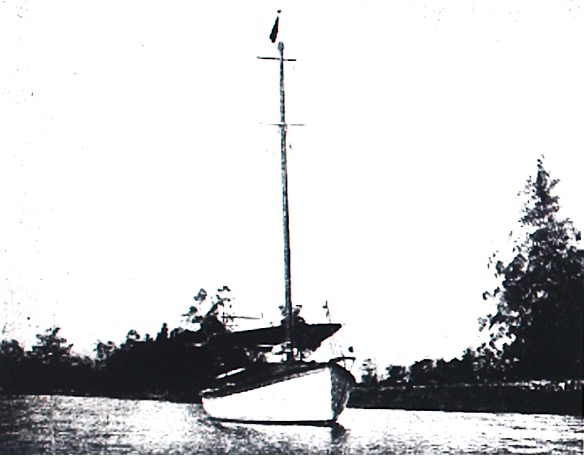
‘Mayrah‘
9 April: Friday, the 9th, saw us astir at 4 a.m. A languid feeling pervaded all hands, caused chiefly by the efforts to quit the madding crowd. Yet in our sadness there was a sweetness for we all realised that at last we were well away on our cruise. Besides two swallows rested on our bowsprit — an omen of good luck.
We cleared Barrenjoey at 5.15 a.m., with ebbing tide and light westerly breeze. Old Sol (Sun] rose with a welcome smile and radiated over clear skies. The glass (barometer) indicated good weather. This day was to be one of the most interesting of our cruise. The mate was the only member who previously sailed to Port Stephens. It was new ground for the others, and the greatest interest was evinced by all as we hugged the coast and passed and noted the various bays, beaches and headlands, as set out on the Admiralty chart. At the same time, we kept well out of the set of the strong southerly current. During the morning the wind was light and veered to north-east, so that we were compelled to take the canvas in. ….
Arriving off Red Head (near Lake Macquarie), our course was altered to north-east, so as to fetch about half a point inside Morna Point and still keep out of the full strength of the current. My experience has taught me that to steer a direct course would, with the current assisting, bring us to the southward and eastward of Stephen’s Point (Port Stephens], and, in the event of thick weather, coming up, make it difficult to pick up Port Stephens.
We passed Stephen’s Light at 8 bells in the afternoon watch, thus giving the distance we had run from Broken Bay at about 70 sea miles, in 10¾ hours. The wind was now blowing fresh from the north-east, so all sail was set in a rather jumpy sea, and away we pranced with wind abaft; the beam past Fly Roads, Toomeree Head (some 520 feet above sea level), which is the south head of the port, and Yacaaba Head, which is the north head, some 6½ cables, or about two-thirds of a mile little across the entrance, frowning down on us from its altitude of 707 feet.
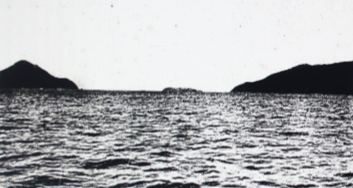
Entrance to Port Stephens
Then on again with an in-running current of about two knots an hour past Shoal Bay, Nelson’s Head, Nelson’s Bay and village, and dropped anchor in 3½ fathoms of water on the eastern side of Salamander Bay. The mate acted as pilot and took the yacht into port.
Entering Port Stephens with a flowing sail and fresh breeze is most exhilarating. The bold entrance headlands and contour of the adjacent country and beaches are very picturesque, and in heavy south-easterly weather one of the most dangerous ports in Australia, as many know to their cost. When off Nelson’s Bay we passed close to a large turtle swimming on the surface. This old chap is quite a favourite with the residents, he having been in the locality for many years. The chief steward was very impressed, for he had never before seen a large turtle in the water.
The little ship had done her job that day well and truly, so, before sunset, she had her decks washed down, and, as we were to be in closed waters for some; the dinghy was put over the side, the awning set, and all strappings and trappings which had been to stow for seaworthiness were let up, and she snugged her nose into the soft sea breeze, ready as the crew to settle down for the night.
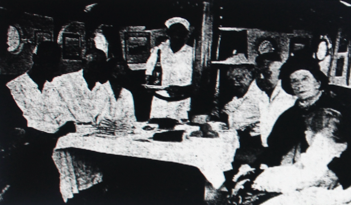
Crew inside ‘Mayrah’s cabin
I might here mention that one of the customs of this yacht, is that every time the anchor is dropped the deck-hand reports to the skipper, “The anchor’s down, sir,” and the skipper forthwith orders a tot of grog for all hands. I need hardly add that this custom was duly observed on this occasion. The skipper rigged the yacht’s wireless for entertaining later in the evening. The gramophone was kept going whilst preparations were made for dinner. Curlews responded with their note from the shore, and it was thought that a dingo had joined the band. Anyway, everyone enjoyed a long night of peaceful slumber.
10 April: Saturday, the 10th, at 7.30, when the hands turned out, the weather was clear, with a mild north-east breeze fanning the atmosphere. The skipper asked the mate where was a good spot to bathe, and, being directed, all hands went ashore, excepting the mate, he preferring to have a wash on board. If they had kept to the beach all would have been well, but they strolled into the swampy background, and on their return, and for several days, each more or less carried the bites of sandflies. ….
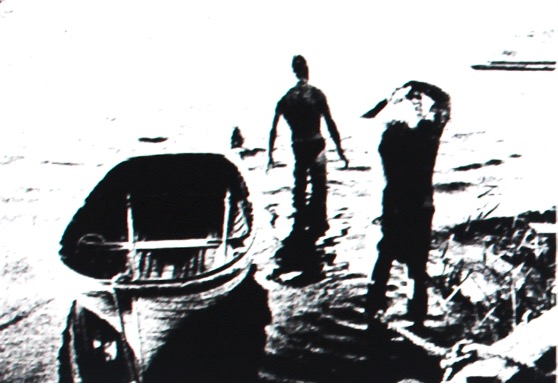
Bathing on the shore
Very soon a wholesome breakfast smell permeated the yacht. That morning, we had ditto for breakfast. That was quite our original name for bacon and eggs, for in making out the menu the first morning the chief steward called it bacon and eggs, and to save words, every other morning he called it ditto. We always knew what we were to get for breakfast. The chief steward told us he dreamt the previous night he was making real turtle soup for us — but it was only a dream.
We were fortunate in obtaining an Admiralty chart of Port Stephens, compiled in 1924, but only recently issued in Sydney. By it and a look out forward, we steamed our way through narrow channels and cuts to the Tea Gardens. This was the day we had listed to be there. On our way we anchored at Pindimar, where there is a long jetty and ice works established by the Government to assist the fishermen in those waters.
Vessels of several thousand tons burthen can navigate up to Pindimar. Here we were able to replenish our stock of ice, which had almost subsided. Arrived at Tea Gardens the anchor was dropped just outside the fairway. The mate rowed ashore and interviewed Captain Hugh Thurlow, as advised to do by Arthur Cutler, and he also met our pilot, Frank Windsor, both of whom he rowed off to the yacht. It was arranged that the pilot would come aboard at 8 bells next morning. The hands and visitors fraternised generally, whilst Beau Brummel and the deckhand were doing the town.
Later our stores were replenished with fresh bread and butter, and a bag of oysters, and mail matter attended to. In Captain Thurlow we met a rare identity of the locality of charming disposition, who, as rumour has it, when an apprentice lad of about 16 years of age, had run away from his deep-water sailing ship and settled in these parts, where he now has large, vested interests. For one hobby he captains the motor launch Poilu (French for digger), drawing 3ft. 6in., as a weekly service connection for tourists going to and fro between the Tea Gardens and Bungwahl, in the great Myall Lake route from Sydney, via Newcastle, Nelson’s Bay, Tea Gardens, Myall River, Lake Tamboi, the great Myall Lake, Forster, Tuncurry and Taree. This is no doubt an interesting and instructive trip.
Captan Thurlow does his 38 miles each way, leaving Tea Gardens at 6 p.m., and, without any leading lights, wends his way through the Myall River for 18 miles of circuitous bends and narrows. He is also the Port Stephens pilot for vessels from Newcastle and elsewhere. I ask the captain’s pardon for publishing part of his biography, but it appealed to me so much, for I have gone through very similar experiences.
At Tea Gardens we noticed tied up to a jetty the auxiliary ketch yacht Endeavor, from Sydney. She certainly looked lonely and disconsolate, as if she wanted her owner to come on board. That evening the skipper serenaded the village with his wireless. Boats, rowed off, and with their fair occupants, held around the centre of attraction. The skipper evidently has methods in coupling up the wireless.
11 April: Sunday, the 11th, broke fine and clear, with the light north-east breeze still blowing. As we were to meet Arthur Cutler and Mrs. Cutler that day, all hands were ordered to have a shave.
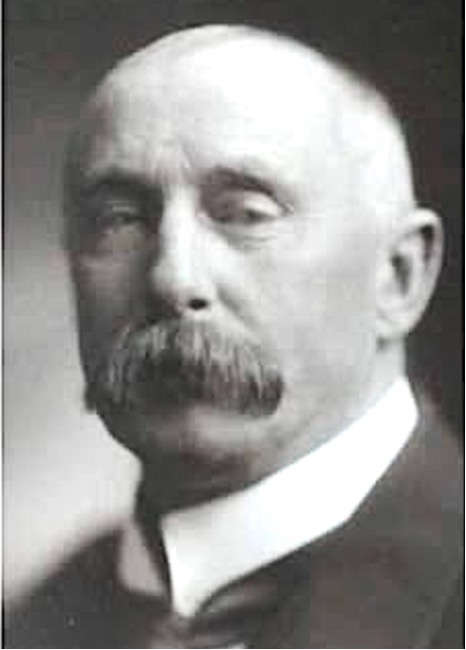
Arthur Edward Cutler
The ship’s hand-mirror was broken in two by the fire on board, so the glasses of portholes were used in lieu of mirrors. The Mayrah is noted for having clean portholes. We had breakfast, tidied up the ship and donned our whites. When the pilot came aboard, the anchor was lifted at 8 bells. The little ship seemed to enjoy this pretty river trip as much as we did. With the engine turning over at 750 revs., she balled off this 18 miles of the Myall River at the rate of 10 knots an hour, which, in the opinion of her skipper, was her record speed.
During this run we had the tide with us part of the way and ran from salt into fresh water with no tide. The lands on either side were low-lying and marshy in parts, and until the recent rains had been devoid of cattle feed. It was noticeable where, the cattle had eaten the softer barks from the trees, where their roots ran down into the marsh. The rushes abounded with water hen. Kestrels soared overhead, pestilential cormorants in flocks were gorging themselves to their fill with the young fish of these natural hatcheries, and the cabbage-tree palms were heavy in berry, the food so attractive to the pigeons. Palms and staghorns were in abundance, and many here earn a living gathering them for the market.
We now entered the first lake, which is called Lake Tamboi, or Broadwater, passing an extensive fisherman’s camp at the entrance. We had hoped to sail across this expanse of fresh water (about six miles), but the wind was still north-east and our course was well east of north, without much room for deviation, so we were disappointed. Our pilot informed us that the fishermen used nets up to one and a half mile long, which includes hauling ropes. They shoot at dawn, and with winches to wind home they get the net in about sunset. He had seen as much as 450 baskets of fish caught in one haul.
In such circumstances, the fishermen stake wire netting enclosures in the shallow water, to keep the fish alive for sending to market when suitable. They are chiefly blackfish — bream, mullet, etc. Many of these fishing boats are rigged with a wireless set, the use of which, apart from the enjoyment of listening in, is that they can receive instructions from headquarters when to bring in certain quantities and kinds of fish that are held in captivity.
Last night the deckhand, although allowed to sleep in the cabin, excelled himself by snoring stentoriously in two different notes. The chief steward, towards the early hours of the morning, feeling that he desired at least a little sleep, took the blankets on deck, and was bitten by dengue mosquitoes and caught a cold. For a few days he paid the dockhand some uncomplimentary remarks. The deckhand said he did not always snore and blamed the rich oyster cocktail he had for dinner giving him uncomfortable dreams. I might here mention that at Tea Gardens the mosquitoes towards sunset made such a raid on the ship that a couple of the hands rowed ashore and bought several bottles of anti-insect tincture, or some such stuff, which, although unpleasant of odour, was practically effective in often clearing the yacht of the unwelcome visitors, who no doubt relished operating on their fresh victims.
After proceeding about six miles we came to Legge’s camp, situated on the north side of the lake. We then entered a two miles reach of river, and our pilot pointed out Arthur Cutler’s residence, Sunny side, opposite which we very soon dropped anchor, and the never-failing report came along to the skipper, “The anchor’s down, sir,” with the usual salute.
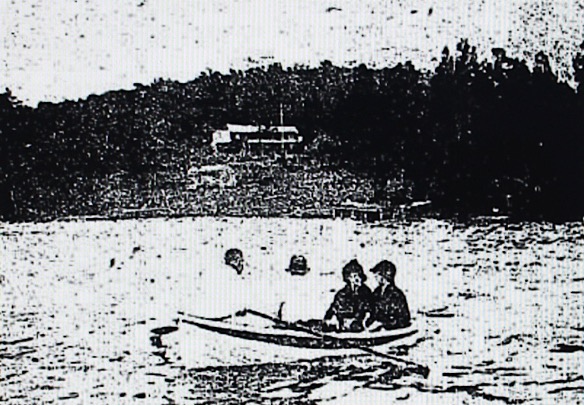
Sir Arthur Cutler’s residence, Sunnyside
Our friend was on his jetty. The Yacht Club’s blue ensign was flying on his flagstaff. The mate rowed ashore and brought him on board. He was as delighted to meet us, as we wore to meet him. Our deck hand was one of his crew when he raced his 30-rater yacht, Kookaburra, and also cruised and fished with him on many occasions. All hands were invited to visit his home, where we had the pleasure of meeting Mrs. Cutler, also his daughter, Mrs. Clark, and Captain Clark, who, with their bonnie brace of children, reside close by.
In choosing Sunnyside as the name for their home, they chose well, it is a bungalow situated about 150 feet above lake level, where there is no tide, some two hundred yards back, and with sloping grasses down to the water’s edge, and a delightful easterly outlook up and down the river and its banks. Our host amuses himself with rod, gun and motorboat, besides tending to his property, of which he possesses some 1000 acres.
The bream are plentiful and give good sport on the rod, with crickets for bait. Ducks, pigeons, rabbits and other game abound, although the former had gone to fresh fields and pastures new at this time, on account of the recent flood rains. After enjoying a welcome cup of tea made with fresh milk and accepting an invitation to dinner that evening, we took our temporary departure.
Our pilot then proceeded with the yacht, landing the chief steward and deckhand, as they comprised our shooting party, to hunt for rabbits, while the rest of us went well into the Great Myall Lake, so that we might know the channel. There is here a strong green weed which grows from the bottom and up to near the surface. It becomes wound round the propeller in such a manner that it retards progress until cleared with a boathook.
On returning we landed and ascended Lookout Mountain, from which panoramic views were obtained, ranging from the majestically towering Yacaaba Head of Port Stephens to the south, and up to Seal Rocks on the north, bringing in Broughton Island and Providence Bay, on the coast, also the rivers and estuaries. The visibility was particularly good. The photo of Great Myall Lake was taken from Observation Hill. Behind the dark promontory on the right is Bungwahl, the village en route in the lakes trip to which I have referred. In the distance are seen three islands, some twelve miles from the camera, with McGrath’s island in the setting. The hairs noticeable on the surface of the water indicate the direction of the mild north-east breeze which was blowing over this large expanse of fresh water.
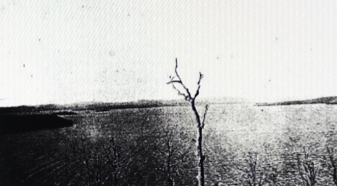
Great Myall Lakes from Observation Hill
Back to the yacht again, we picked up the shooting party who had secured a fine buck rabbit, with which to gratify Arthur Cutler’s desire. Returning to Sunnyside, we said goodbye to our pilot, Frank Windsor. He possessed a wealth of local knowledge, which he dispensed for our benefit, as we passed rivers, lakes and shores. We also appreciated his company and felt grateful to Arthur Cutler and Captain Thurlow for their choice of a pilot for us.
That evening our host and hostess overwhelmed us with hospitality, insomuch that the cook invited everybody to a picnic on his yacht next day. The sky in the evening gave indications of a change.
12 April: Monday, the 12th. the weather did not look to promising. All hands were up early, and, after enjoying a fresh river bathe, coffee and biscuits, taking fresh water on board, donning our whites, we stood by to receive visitors. The mate had a narrow escape whilst bathing on the riverbank at daybreak; three screaming geese attacked him. However, he was able to beat them off before any damage was done. His escape was applauded with much hilarity by the crew.
The launch Nepean ply’s twice a week to these parts. She has a general store fitted up on board. She also carries the mail, in conjunction with the [Engle] store at Tea Gardens. The droghers are very busy, chiefly carrying timber. They are peculiar looking packets, consisting of a flat bottom punt with engine well aft, and a paddle wheel each side of the after end, and carry up to 200 tons of cargo.
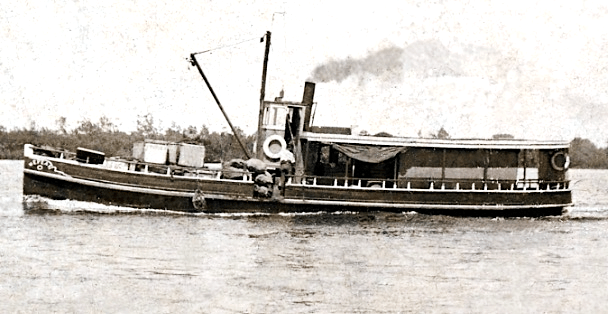
SS Nepean
Our guests arrived in good time, and away we went, with large awning spread fore and aft, to the great Myall Lake and anchored off McGrath’s Island, a place noted for its wonderful growth of choice kinds of ferns. After partaking of an excellent picnic lunch, which was provided by Mesdames Cutler and Clark, the crew rowed ashore in two contingents, but the mosquitoes were so numerous, fierce and venomous, that we retreated aboard as fast as we possibly could, beating the insects off each other as we rowed, to prevent them coming on board. Now dengue fever was rampant in these parts, and we had visions of how that complaint would affect us. The chief steward said that, as a simple antidote, he intended to take a tot of grog every time a mosquito bit him in future. I must mention that he had charge of that commodity.
The wind had veered round to the south and was coming in quite fresh dead ahead of us for some few miles on our home course. The awning was taken in, and we proceeded home under easy steam. Just before we reached Sunnyside a cloud burst, with heavy wind, enveloped us. We managed to snug under a weather point, and, after about an hour, ran the yacht alongside the home jetty and landed our guests, although one need have no fear of the wind at this part with so many vantage points of anchoring. We had enjoyed a very pleasant and, to us, an interesting outing, and for the crew there remained over quite two baskets of cakes and sundries.
That evening a game of poker was suggested. The deckhand does not play, and the mate very seldom. The latter, however, out of politeness, offered to make the fourth. The skipper told him that he had no idea of cards and would spoil the game. However, after one hour’s play, the limit time agreed on, the mate had cleared the decks of all the chips, and complacently listened to the rest of the party settling their borrowings and landings. Of course, they are now out for revenge against the novice.
13 April: Tuesday, the 13th. — It was raining slightly this morning, and, after taking matters quietly for an hour or two, we went ashore and bade farewell to our worthy hosts, who, as a parting gift, gave us some fresh vegetables and milk, at the same time apologising for not catching for us a pair of fowls the night before. We weighed anchor, giving three hearty cheers, and good-bye-ee through the megaphone. As the yacht swung to the breeze we heard a responsive cheer from Sunnyside.
The skipper decided to go to Mungo Brush, on the eastern side of Lake Tamboi, and proceeded, with the aid of a self-drawn chart kindly lent by Arthur Cutler. We were still undecided about a pilot for our future movements, so on our way we called at Legge’s Camp, an accommodation house for tourists when going through The Lakes. The skipper and mate interviewed Mr. Legge and asked him what chance there was of getting a pilot to take us to Bullahdelah and return to Tea Gardens. He said his eldest boy, Dick, was out cutting boat knees (a curved piece of wood used in boat building to form a brace for frames or deck beams) and would return at 5 o’clock, and that he and Dick would pay us a visit that evening to chat the matter over, for which we thanked him.
Waters near Tamboi
When passing the vegetable garden, the mate espied a fine lot of mushrooms, and, always with an eye for the wherewithal, he commented upon them, with the result that Mr. Legge kindly told him to help himself. Now the mate wore a badge cap and the skipper a wide-brimmed Panama, so the skipper’s hat was requisitioned, and the yacht’s larder supplemented accordingly. We were now about seven days out. Our fresh provisions had consisted of what we had brought away from home cooked, viz.: A hand and chine of pickled pork, a round of roast beef, a pair of large Muscovy drakes, a 14lb. ham (this latter lasted another couple of days), 28lb. of middle cut bacon, 12 dozen eggs (the latter two items lasted the whole cruise), a sufficient supply of Brownell potatoes and onions to last the whole cruise; fresh fruit lasted the whole cruise, and consisted of pears, peaches and pineapples chosen in different stages of ripening. We were indebted to the good efforts of Mrs. Dempster for assembling and personally cooking those provisions for us. We were able to obtain fresh provisions throughout, and never resorted to tinned goods.
Proceeding on our way to Mungo Brush, we anchored off the jetty, and after the report came aft, “The anchor’s down, sir,” all hands went ashore and walked to the Ocean Beach of Providence Bay, a few miles north of Broughton Island, where, with the glasses, we could see Seal Rocks light to the north, and Stephen’s Point light to the south. Surf bathing was indulged in, and a fine sight was a couple of porpoises swimming along parallel with the waves just before they broke. The skipper actually wet a line, and he and the mate tried their luck, but there was nothing doing. The spot is noted for good and easy fishing, but the conditions were evidently against us.
Returning to the yacht, some of the party had a quick fresh-water wash on shore, assisted by mosquitoes. Here there is a dancing hall, with a large tank of fresh rainwater. No one is in residence. It is used by visitors on holidays and off-days from the surrounding country. Others of the crew had a dip over the side of the yacht in fresh water free from sharks. We then returned to Legge’s Camp and anchored for the night. After dinner Mr. Legge and Dick came on board — it was thought by us to see what kind of chaps we were, and, if advisable, for Dick to come away with us. The skipper switched on the wireless, and entertained them, and, I am ashamed to say, all other members of the crew were lulled to sleep. Before our visitors left, however, the skipper had done the trick, and young Dick Legge was to be our pilot on the morrow.
14 April: Wednesday, the 14th. — This morn broke fine and temperate, as if in unison with the crew. The skipper remarked that if bad weather came along now, we could not complain, as we had been so fortunate up to the present. Gentle north-east winds nearly all the time made him decide not to change the name of his yacht, Mayrah, which means north-east wind. He little knew what was in store for us. Our pilot came on board at 5 bells and the anchor lifted at 6 bells. Dick took the helm, and breakfast was prepared and served as we glided serenely over some 5 miles of Tamboi Lake, in a circuitous though north-westerly direction, to the entrance of Bulahdelah River.
We noticed a dark patch on the water about a quarter of an acre in extent. Our pilot informed us it was water hen and ducks. We now entered the Bulahdelah River. This trip, from then for the next 12 miles, until we dropped anchor off Bulahdelah township, was one of the prettiest and most enchanting of our cruise. A cool moderate breeze blew over the trees which commanded the banks of the river, and the surface of the water was like glass in some of the serpentine bends, where the silver-bark trees stood out conspicuously amongst the others in complete reflections of all in the water. The land on either side was generally flat, with rising undulations to hills not far distant, and here were in plenty gill birds, pigeons, occasional ducks, waterhen, thousands, of parrots, wallabies, etc.
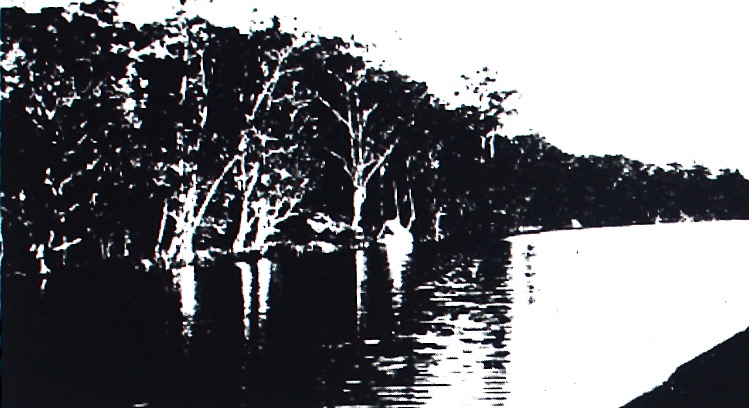
Bulahdelah River
Alum mountain — the only one, I understand, in Australia — was looming up as the leading hill for our destination. We passed, and not too easily, two motorboats with children going to school. These children are allowed 9d. each per day travelling expenses, and they were youngsters — and youngsters steering the boats miles from home. Some of them travel 10 miles to and fro each day.
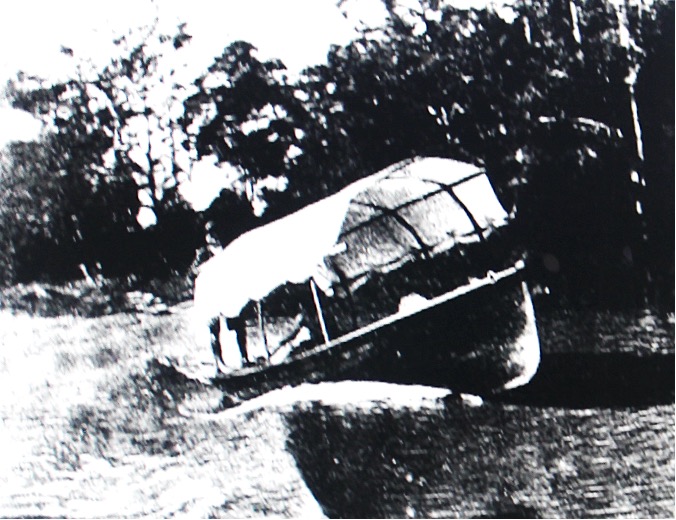
Children going to school by boat on the Bulahdelah River
Arriving at Bulahdelah, there is a picturesque bridge across the river and wharves, where small vessels load Alunite, which is alum in its raw state. Off this depot the anchor was dropped, but the deckhand was not too happy, for he told the mate that it did not seem to hit the bottom properly, and his surmise was correct, as was proved later on. All hands went on shore. Mail was attended to and stores replenished. Fresh bread, butter and good beef steaks and sirloin were obtained, also Sydney papers.
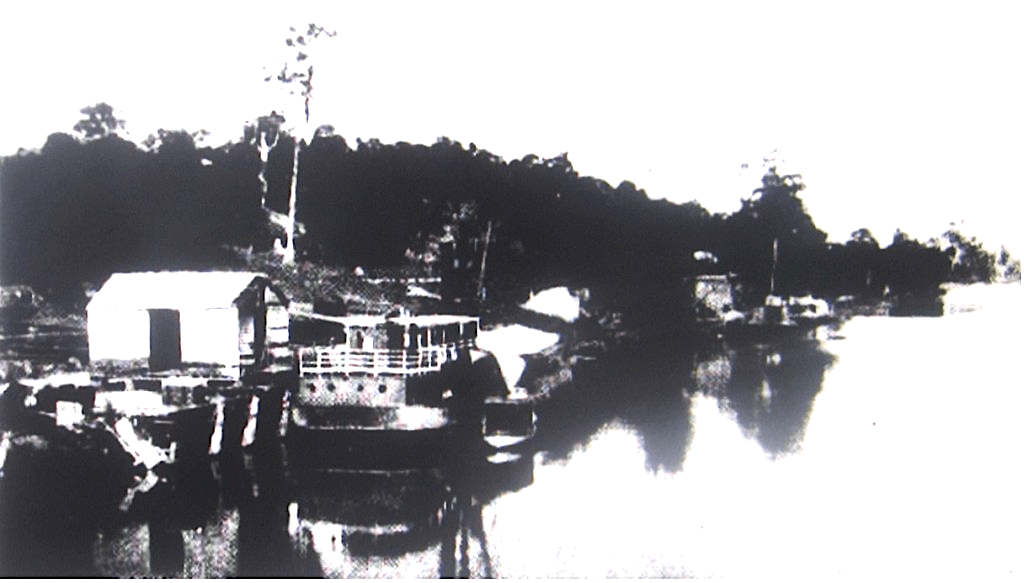
Waterfront at Bulahdelah in 1924. At the wharf is a steam drogher that plied to Tea Gardens and two alunite hoppers, awaiting transport to Tea Gardens [Sydney Mail, 20 August 1924]
The deckhand visited the schoolmaster, a friend of his, and in honour of the visit the children were given an extra half-hour at lunchtime. The second engineer was told whilst ashore that our anchor was dropped over where a punt of hardwood had
sunk, and this was realised when an attempt was made to lift it. However, the skipper, by much manoeuvring of the yacht and a deal of luck, extracted the hook and chain from its devilish windings amongst from wreck below, much to the joy of all hands and the surprise of the natives, who had been watching us from the shore. This was one of the special occasions when the anchor hand was privileged to report “The anchor’s weighed, sir.”
Away we steamed back over 12 miles of the river, and the changing scenic views were often different to the upgoing trip. Thence four miles across Lake Tamboi, and 18 miles down the Myall River to Tea Gardens, covering the distance (34 miles) in 210 minutes, averaging 10 miles per hour. The tide was with us when we ran into salt water for about the last nine miles. Here we discharged our pilot with a V.G. certificate. In Dick Legge we found a very wholesome and efficient young pilot, and we wish him luck in his future career. He would need to stay overnight at Tea Gardens and get a passage home in one of the droghers next day. The time was early in the afternoon and suited us well; all hands went ashore.
The stores replenished were bread, butter, roasting beef, Sydney papers and benzine. Some of the hands collected mail for the first time. We then proceeded to Pindimar, and here met our first pilot, Frank Windsor. He is the skipper of the neat passenger motor launch, Digger. This is his headquarters.
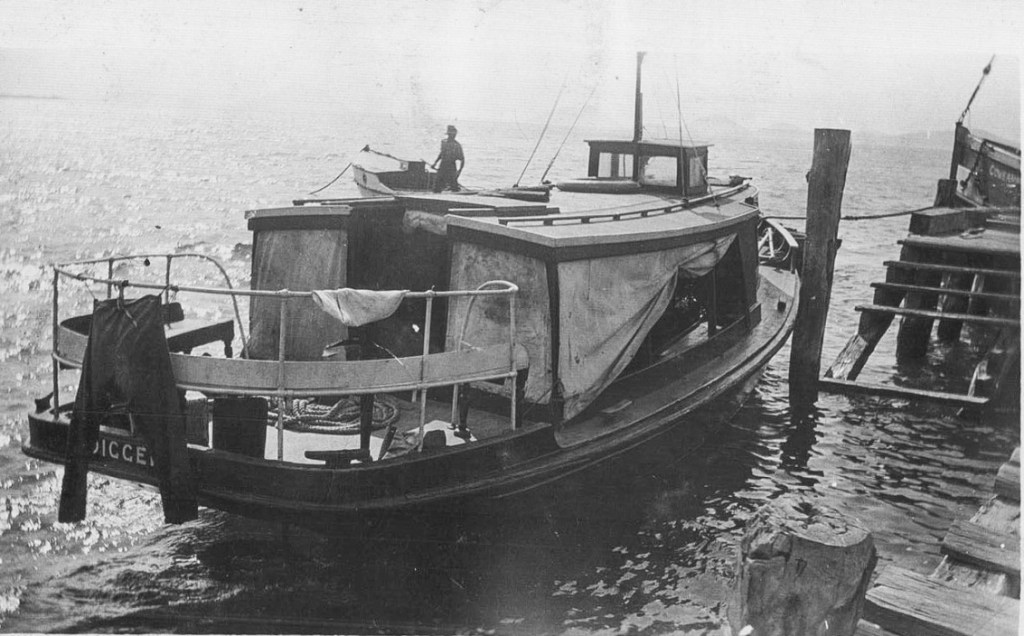
He was very pleased to see us, and with his assistance we had collected for us 150 dozen oysters from their beds. They were oysters, too! Each one was a counter. They lasted us with liberal treatment for the remainder of the cruise and home hampers as well. We also, replenished our stock of ice. I might add that the duty of oyster opener fell to the mate. The others sat tight when the job came round. Still, he did not object so long as they bucked him up with pleasant chatter.
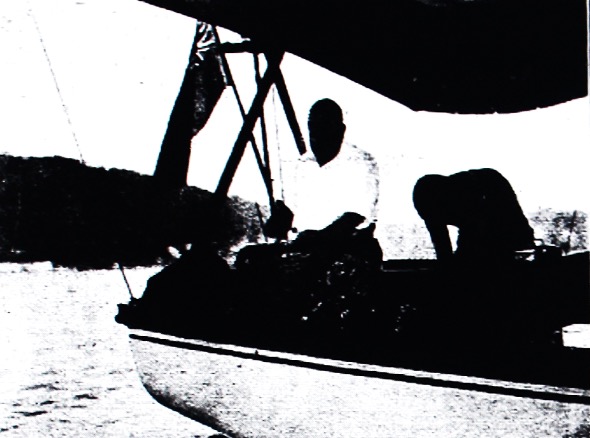
The mate opening oysters
All aboard again, and on to Salamander Bay. This time we anchored under Wanda Wanda, or Round Head, with two anchors, as a heavy storm was brewing from the south-west, and, indeed, the anchors were not both down when she broke with whirlwind force on to us. Some anchor drill was experienced in heavy wind and rain. These whirl-winds were caused by the wind being broken and hitting down on to us from the headland. If we had been farther out, it is doubtful if our anchors would have held, as the yacht would have had the full and steady force of the wind to combat. The lightning commenced in the direction of W.S.W., and by degrees worked anti-clockwise right round to the north, with continuous flashes over that sphere for about two hours. …..
April 15: On Thursday, I5th, the air was fresh and a keen westerly wind able to get to Newcastle, although the wind would head us as soon as me passed Stephens Island. The yacht was stowed, sails set, and away we went into the breeze down the channel. The wind was dead aft, in fact; we were sailing shy at times in our efforts to clear the sand bank pile opposite to Nelson Head. The wind increased to such an extent, and short seas made so quickly over the shoal water, that we experienced some discomfort; for it was getting close to the time for pooping seas. However, we managed to shy past the shoal, and as a last resort, hauled up and anchored under the outer side of Nelson Head, in Shoal Bay, the last bay before the ocean. We now realised that we were in for heavy weather. The mate here remarked that for years past, on many occasions, when the sea had called him, he had cruised to Port Stephens and had always experienced a lapse of heavy weather. His longest spell of being weather-bound there was eight days, when going north in his cruise to Torres Straits in Stormy Petrel, and he honestly began to feel that he was the Jonah.
However, it turned out that the second engineer had that day broken a glass and failed to throw some salt over his left shoulder, so the blame is sheeted home to him for all time as being responsible for the gale. The skipper, chief steward, and deck hand went ashore for a walk to Fly Road, about two miles return, a pretty ocean beach next to Tomaree Head, facing the lighthouse, the narrow gut which cuts the light-house off from communication, with the mainland in heavy weather, and also a view of Fingal Bay and the Rock Islands, opposite the port entrance.
The mate and handy man stayed on board. The handy man was busy reeving new runner falls, halliard block, making fancy rope lanyard for bucket, and a rope grummet strop round its bottom, to save the decks. The mate opened oysters, and when the shore party returned, they were greeted with the sight of extra-large plates of luscious oysters with half a local lemon each, bread and butter slices, iced lager and a Queen pineapple dissected ready to be operated upon, all set out on the cabin table over clean napery and the yacht’s new silver and cut glasses. The latter were presents to the ship from members of the crew.
It is needless to comment on the result, although I noticed that the many fish that came about under the yacht when the shells and fragments were thrown over found little to eat about them. After lunch, was recounted a serious incident that had occurred ashore. It appeared that the skipper, anxious to get a photo of Fly Road, which is so inspiring in heavy weather, had climbed some distance up Tomaree Head, round a rugged track of rocks, when a large portion of his traversed tracks collapsed. He was marooned for over an hour, and, with the assistance of his comrades, was extricated from an unpleasant position. The only refreshment available was a piece of fruit which had been taken from the yacht.
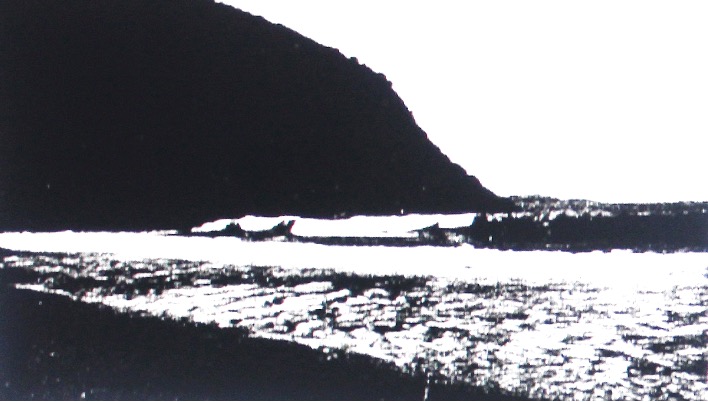
Fly Road near Point Stephens
That afternoon, the wind having abated sufficiently, the yacht was taken to Nelson [Bay] and anchored to the eastward of the old jetty. Nelson [Bay] is a pretty little village, with northerly aspect, chiefly occupied by fisherfolk. There is a good boarding house, which caters for tourists also an hotel. For anyone desiring a quiet rest for a week or so, and being fond of fishing, it is difficult to surpass, especially considering its easy access from Sydney.
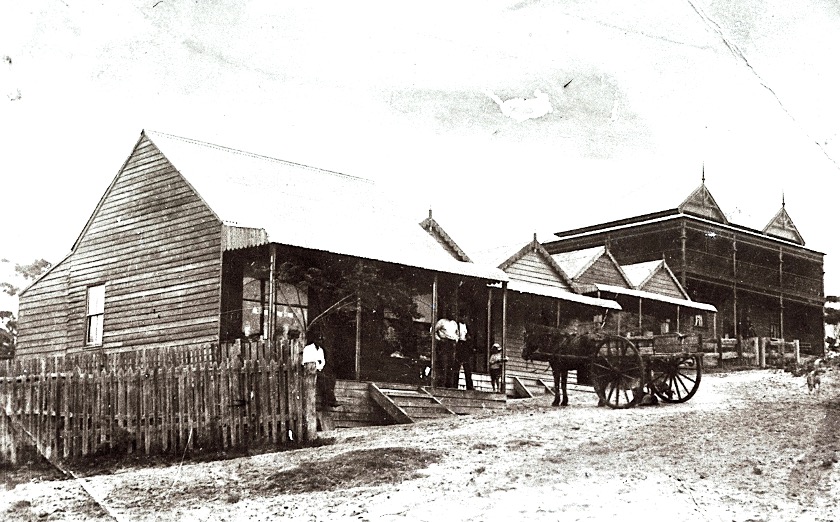
Nelson Bay boarding house at the top of the hill
There are harbor and ocean beach fishing, boat fishing inside, and launch fishing outside for schnapper, and trolling about the entrance headlands for heavy surface fish, such as Spanish mackerel, tunny, kingfish, and also the powerful black kingfish. If desired, a trip could be made to Broughton Island, some 16 miles further north, the headquarters of crayfish and schnapper fishing in these waters.
We gleaned a good deal of information on that subject from Frank, the Greek, a fisherman camped at Shoal Bay. He informed us that the crayfish season runs from July to February, and, of course, the schnapper fishing is available all the year round, weather permitting. The crayfish are caught in large cane traps, and let down in 60 fathoms of water, with an additional 30 fathoms of slack line to take up the pressure of the strong southerly current and allow the float to come to the surface. He stated that cork became so contracted in size and unsuitable, with the result that 6in. diameter glass balls are used instead. A trap can hold 12 dozen crayfish. Last season they secured seven dozen in one trap. These are lifted by means of a windlass attached to the engine. The nett return to the fishermen is about 23/- per dozen. The bait used is sun-dried mullet, which is now being stored.
You can see Nelson jetty and other places strewn with thousands of these fish drying in the sun. There are also a number of rabbits on Broughton Island. The method of catching them is with a dog and a stick. The dog catches the rabbit and is beaten by his master with the stick till he gives it up. After this dissertation, some of the crew decided to go on shore. It appeared that Beau Brummel had come away without his yachting cap and seemed very crestfallen at times. However, the skipper happened to find a spare one, and as it fitted Beau Brummel, he was presented with it, and he sailed ashore like a full-masted frigate, eyeing the lassies of the town.
On returning aboard a merry twinkle was noticed in his eye, so the purser had a word with the skipper, and saw to it that not too much spar cash would be handed to him when going ashore in future, for the skipper did not desire any deserters. We learned later that the incident took place at the post office, when Beau Brummer endeavoured to console a lassie who was disappointed at not receiving a letter.
Returning to Shoal Bay, the fishermen advised us to moor close up to the beach, opposite their camp, and here we found good anchorage for the Mayrah, with the wind any direction from west round to south-east. Angry sun dogs were now showing through the heavy clouds, and two anchors were put out.
April 17: The wind had blown hard from the west to south-west during the night, with plenty of rain. The sea was running heavily across the port entrance, and we realised we would be weather-bound for a few days. We caught some mackerel from the yacht, and the fisherman offered to take us outside and fish. The weather was not too good, in fact, the southerly was just throwing out its feelers, but we were all eager to have some fishing.
We had brought the best of tackle, but so far never had a chance to use it. Beau Brummel remarked that it would cost him fifteen shillings to touch bottom that day. Anyway, off we went just around Tomaree Head, and dropped the sandbag, just opposite the cleft in the rocks. This cleft is very noticeable, for it is about 20ft wide and some hundreds of feet high, and very deep. In about half an hour we secured several nice squire for our evening meal. Our little experience here was unique in so much that we lay with southerly squalls, gathering strength, hitting us directly and indirectly, with Willie Willies swooping down on us from the precipitous hills, a most unusual occurrence, but we discovered later that the ship’s clock was half an hour fast, cliffs of Tomaree Head, 520 feet in height.
The black rain and wind clouds were now howling down on to us. The spray was being blown some 100 feet up the cliff, so we decided to up sticks and home, just round the head and into Shoal Bay, not one mile distant. We were under the weather shore all the way, put out two anchors, and that barely done, when the storm broke. And it was a storm! Lightning, thunder, heavy wind and torrential rain continued all night. However, we were very cosy. The three know-all card players had patiently waited their opportunity to have their revenge on the mate over a game of poker, and it is with reluctance that I record the vulture-like eagerness and hilarity they displayed whilst successfully carrying out their conspiracy this evening.
The weather was sharp and cold. There had almost been a squabble for the extra blankets the previous evening, and the skipper allowed all hands to remain below till eight League.
The rain had ceased. As the sun rose the wind had veered to south-west and was coming in heavy and steady. The fishermen shot and hauled their nets on the beach. There was as many as a dozen nets in use at one time, the different fishermen taking their respective turns for a haul. They caught chiefly black bream, blackfish and mullet. They made one haul of kingfish with two nets, one outside the other, but landed only about 20. The sight was fine seeing the men wrestling with a 40lb. fish, each carrying them in their arms up the beach to safety. This fish realises up to 5d.per lb. in the shops. We missed a line photo, being too, far away.
The schools of fish had just commenced to run and would do so for the next three or four months. The fishermen gave its carte blanche to take what fish we desired. It was noticed that lately more letters were being written than hitherto. The second engineer, remarked that he must get home by the end of next week, and the deck hand said the same. They were the two youngest married men on board. The mats proposed the least, ”Wives and Sweethearts.” I have reversed the wording of the old toast, ‘Sweethearts and Wives,” for at the last reunion of the Ancient Mariners’ League (of which the writer is a member) that body decided to so reverse the toast. There are many octogenarians amongst the old salts; there are no young, men, and it was with the greatest respect they decided to so alter it. Still, I wonder whether they would have reversed it in their younger days when sailing from port to port around the world! The old saying, that a sailor has a sweetheart in every port, may have influenced them to leave it as it was.
The hands were busy cleaning ship, a wise thing to do whilst weatherbound. The engineer was tending his engine, and finishing it with shining loveliness; the chief steward was washing clothes and ship’s linen, the deck hand tidying decks and gear; the mate writing up the log, etc. Mountainous seas were running and smashing up against Yacaaba Head and Boondelbah Isand in great splendour. Undoubtedly the entrance to Port Stephens is one of most impressive grandeur and wildness during a southerly gale.
Our labours were interrupted by the chief steward declaring that the sun was over the yard arm. The sun happened to be obscured by clouds, yet he knew it. It is remarkable how sailors acquire this knowledge. It is like a child learning the alphabet. Sun dogs made their appearance again this afternoon; and it blew and rained— yet we were quite happy. Ask the long shore man what he would think of being cooped up in a little boat, 33ft. x 1ft. x 8ft., with four others for six days, blowing and raining. I fancy this self-contained packet would not appeal to him.
The galley on board the Mayrah is somewhat in the gangway of ingress, and egress of the crew, to and from the cabin and deck, and the cook, this evening, asked why in Hades all hands wanted to keep passing him whilst he was busy. Now, any member of the crew is on an equal rating with the cook and entitled to think and speak about him as he chooses and the only answer the cook received was the crew winking at each other. Be-sides, he disliked cooking fish, therefore our fish meals were very ‘few’. The hands said, “What’s the good of catching them?” However he carried out his duties very successfully and is entitled to a V.G. discharge for sobriety and conduct.
April 18: On Sunday, 18th, it teemed with rain, and blew, all night. The yacht rocked so much that the eggs became addled, and the cook had difficulty in frying them. The crew were getting rather restless, so the skipper suggested a stroll ashore, the mate offering to remain and look after the yacht, whereupon the chief steward suggested locking the ice chest. They went ashore in the pouring rain, along the flat at back of the beach, where there are plenty of wallaby, sandflies and mosquitoes. The skipper had a chat with the fishermen ashore, and they told him that when the weather set in like this it was always worst for the first seven days.
On their return the shipper and chief steward, rigged a funnel into the water hose, and filled the fresh water tank from the rain running off the awning. I was informed by two members of the crew that the skipper had, the previous evening dropped the large enamel wash-up dish overboard. He denied the allegation, saying it blew overboard. I felt justified in accepting the evidence of the two even against the skipper. Yet I have since had a suspicion that the skipper was right, and that the crew had a grievance against him and wanted to get even.
This evening we enjoyed steamed ocean black bream and oyster sauce made with fresh milk, the deck hand eating about 3lbs. of fish. This will give some idea of the difficulty to provide fresh food for the crew.
April 19: Monday, 19th, broke with a sharp westerly blowing, and Old Sol shining at last. During the night something was adrift, and there was a continual tap-tap. Two of the crew got up, thinking they knew the culprit, but with no good result. I was awakened by hearing someone about the cabin, and upon challenging ‘Who’s there?’ was informed by the quiet voice of the chief steward “I am lashing the demijohn of whisky to the mast.” Next morning the engineer, about to put benzine in the tank, discovered the funnel rolling to and fro against the almost-empty tank. The mate caught cold in his toe, which became very swollen, from being barefooted in the cold, wet weather. One unsympathetic member of the crew said he considered it was from another cause. The mate drank lime juice that day, for the first time, much to the surprise and amusement of the others. The skipper also had some queer pains, but these incidents did not delay the ordinary routine of work.
April 20: On Tuesday, 20th, the weather had at last abated. It blew 69 miles an hour at Newcastle and extreme gale force at Stephens Island, where we sheltered. We decided to proceed to Nelson [Bay], pick up stores, mail, etc., and make a break for Newcastle. We weighed anchor off that village at 11.20 a.m. The wind was still blowing from the west, so that we were able to set our sails. We said good-bye to the fishermen and Port Stephens, where we had enjoyed 12 days of very interesting experiences. As we passed out through the Heads on the ebb tide, the overfall from the Port waters on to the ocean was noticeable. This was caused by the bad south-east weather.
The deck hand had very sore, sunburnt lips from when, two days out but was recovering now. This was his first trip away in the Mayrah, but he soon made friends with the ship and proved himself a very capable and willing hand. We are also indebted to him for most of our photographs. After clearing Stephens Point, we kept close hauled for about seven miles but made little better than a southerly course. The current was helping us, and the glass had risen to indicate south-easterly wind. It was then decided to throw about, douse the sails, and head direct for Newcastle under power.
The current, under our quarter still helped us. The wind had fallen light, and before we reached Nobby’s, had given a few draughts from the south-east. When crossing Stockton beach the jack porpoises played merrily around and under us. One chap rubbed his back under the yacht’s bows and cast a friendly eye aloft as much as to tell us that our wives and sweethearts were true to their absent sailor boys.
We reached Newcastle at eight bells in the afternoon watch; a nice time to enter that port. The yacht was put alongside Dark’s ice works, and our ice check bucked up for the last time. Then, looking for a suitable anchorage, the skipper dropped off the Pilot Station, when hail from the shore informed us that we could, not lay there, but offered a vacant mooring outside the pilot’s boats and just inside a channel beacon. The skipper thanked them through the megaphone.
We hove up the anchor and picked up the buoy in no time, for a strong outward current was running. Although this alacrity on the part of the deck hand, handyman and
chief steward, all of whom were forward, was to some extent, I fancy, the delay in being able to report. The anchor’s down, sir,” anyway we had the premier position in which a yacht could moor under such conditions at Newcastle.
We could view the ocean, which remained calm, and a soft sea breeze floated about us. Vessels of all kinds and descriptions, large and small, passed by us, coming into and going out of this busy coal port. At night the brilliant red and green leading lights were much in evidence. The visibility was good, and as we snugged down a feeling of contentment prevailed.
After our return home, the skipper wrote a note of appreciation to the Pilot Station for the courtesy we had been shown, and we felt that the Blue Ensign flown on the yacht had helped somewhat.
April 21: Next day we were up at 5.30, after having enjoyed a cosy night’s rest, free from mosquitoes. This, I think, the mate appreciated more than the others. On one occasion he put into Newcastle in Stormy Petrel, and the pilot took her into the wave trap and the send from the black north-easter that had blown that day rolled the yacht almost rail under all night long.
After light breakfast we hoisted sails and cleared Nobby’s at 7.30, with a light westerly breeze, keen air and clear sky. We passed shoals of herrings, and flying fish ricocheted from under our bows. A lazy ground swell kept company with us the whole way. The bomborahs, off Tuggerah Lakes and east and west reefs, off the Maitland wreck, had a sulky surge working over them, the aftermath of the gale.
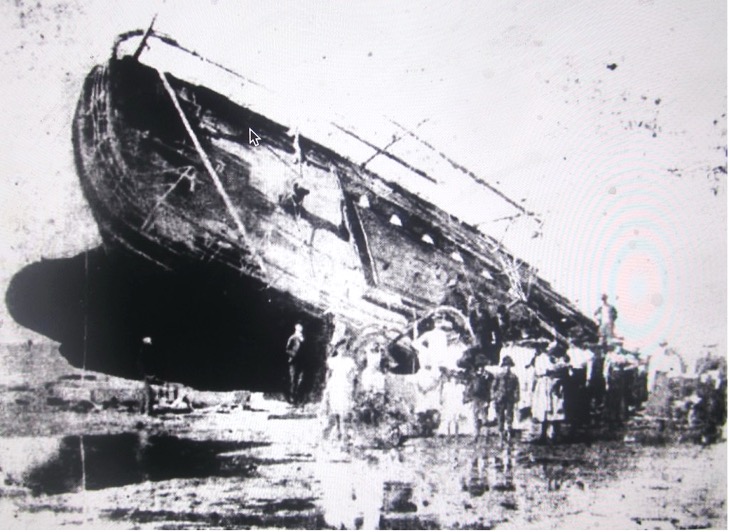
Two days after the foundering of the Maitland. [Gosford Times and Wyong Advocate, 24 April 1951]
The run from Nobby’s to Broken Bay was very inspiring, as with our early start we had the morning sun shining on the coastline, where there are several fine extensive sandy beaches. Bold and cruel reeky headlands, with the heavy rollers pounding on to them made a pretty picture.
Arriving at Palm Beach at 2.15 p.m., we all again realised that Broken Bay is difficult to surpass as a yachting, cruising ground and haven. We had run about the same distance returning south, as we did going north — 70 miles — and covered it in two hours less time, viz., 3¾ hours. The mate, as usual, remained on board whilst all other hands went ashore and phoned their nearest and dearest, and were quite contented that all was well.
Weighing anchor, we crossed Pittwater to the inner basin, dropped anchor about the usual spot and were informed by the caretaker that according to a new by-law made two weeks previously, we were in the road of navigation. We were obliged to move further out from the jetty. The yacht had a thorough wash down with fresh water, as we could now spare that commodity from our tank. That evening the cook gave us an excellent and well-cooked meal. The menu was, oyster cocktails, roast sirloin of beef, roasted potatoes and Sunnyside pumpkin, to which we did much justice.
April 22: Tuesday, 22nd, was a fine, pleasant morning. After a bathe on shore and breakfast, we proceeded to Palm Beach, replenished stores, for the store was closed the previous day, stowed ship for sea, and taking advantage of a slant, steered for our home port. We cleared Barrenjoey — with wind too light to set any canvas.
The run to Sydney Heads was done in 1 hour 55 minutes, and we realised that Port Jackson was not the least important port we had entered. We proceeded to view the wrecked Yawl yacht, Natoma, on Dobroyd rocks — a sad sight indeed. Two men were cutting the lead off her keel. The writer was present at her launching when she was named Gulnare, and he had the honour of proposing the toast, “The Ladies.”
Wreck of the yacht ‘Natoma’
Then off we went to Manly for stores and papers, and, proceeding to North Harbour, the report came aft for the last time, “The anchor’s down, sir.” We were extremely pleased at returning the day before disembarking. From Broken Bay to Port Jack-son, and also going further south to Port Hacking, each being equidistant, about 20 miles from Sydney, from a yacht which hugs the coast, one is enabled to see the wonderful advancement of occupation that has taken and is still taking place.
We had always cruised in daylight, thereby having a greater field for observation than if cruising at night. As we lay at North Harbour, one has an open picturesque view of the many modern homes, snugly built in amongst natural rock foundations and garden verdure; of North Harbour and Manly, and also part of the Port entrance, where the vessels can be seen coming and going. It is undoubtedly the most attractive and suitable mooring rendezvous for our yachts, and special efforts should always be continued to use it for that purpose. It has its charms on weedays, when quiet nature reigns almost supreme, quite apart from the allurement of the weekends, when numerous yachts assemble, and all is active with aquatic life.
The washing up on board after five persons and the mellifluous operations of the cook, is somewhat extensive. This was always carried out by the chief steward, handy man and deck hand. It often interested and amused me to sit in the cock-pit and listen to the dissertations of this trio whilst they were at their job. They never ceased talking, and the dishes, etc., seemed to get washed and dried automatically.
This cruise is one that Sydney yachtsmen might well take on. Any draft of yacht can be taken to Pindimar, and probably to Tea Gardens, and if she draws more than 4ft 6in, arrangements made with Captain Thurlow or Frank Windsor to care for her. The latter would act as pilot on his motor launch, Digger, or on your own yacht. Par-ties could go there via Newcastle, then mail coach to Salt Ash, and be picked up there. A fortnight could easily be spent in fishing, shooting, bathing, etc.
Shore accommodation is also available at Nelson [Bay]. Tea Gardens, Legges Camp and Bulahdelah. Your foods would consist of bread, butter and vegetables easily obtainable, and game, fish and oysters.
April 23: Friday, 23rd, our last day, had come round all too quickly. The weather gave us a welcome home. We cleaned up the yacht generally. The mate made up hampers of oysters for home consumption, and our dunnage was packed. The anchor chain with a soothing sound chafed against the bobstay, as if to remind us that it at least had done its job and wanted a spell. The dainty gulls on light wing hovered around us. They know those who are kindly disposed towards them.
After an appetising oyster luncheon, the anchor was weighed, and we proceeded to Manly, and landed the deck hand; it was handy to his home, he intending to take his car to Rushcutters Bay. We then proceeded quietly to our parent moorings. When the report came aft, “All fast forward, sir,” the engine purred its last beat of the cruise just as gently as it had done the first. It had never missed, excepting when once it ran out of petrol, but that was not its fault. Perhaps designers of engines might consider fixing a whistle to give a signal when the fuel is nearly run out, similar to that on some steam cooking apparatus.
In anatomising the equipment and appurtenances of a yacht, the engine is quiet distant. For instance, the hull, spars, sails, dinghy, anchor and crew, all have visible action and animation, whilst the action of the engine is shut up in an iron case and almost a silent worker. However, it did its job well, and the engineer is to be complimented on the millions of revolutions (I forget how many he told me) he so successfully got out of it.
The flags of the Royal Prince Alfred Yacht Club had been flown throughout and were now hauled down. The skipper is a member of the committee, and all others are members of that club. The Mayrah was tenderly put away. She had been a good pal to us, and most suitable for the cruise. The skipper and deckhand each had their cars waiting, and drove all hands to their respective domiciles, and so ended a very interesting, instructive and happy cruise.’
Concluding Comments
The description of the journey is a very interesting and instructive piece of work, written by an experienced yachtsman and sailor. It gives insights into the marine environment of the Port Stephens and Myall Lakes region in the 1920’s.
This website contains several descriptions of early visits to the Port Stephens area, which can be found at the following links:
The Lakes Travel route to Mid-North Coast
A Four Day Excursion to Port Stephens – Christmas 1906
A Personal Tour of Port Stephens – 1914
A Journey from Port Stephens Up the Myall Lakes to Forster – 1908
A Vacation Cruise from Sydney to the Myall Lakes – 1884
A Journey Around Port Stephens – 1894
The story behind the compilation of the Admiralty Chart used by the yachting party is available at the following link:
Port Stephens Survey Map – 1920
Researched and compiled by Kevin McGuinness
May 2026


