
Introduction
On his remarkable first voyage from 1768 to 1771 to the southern seas, Captain James Cook mapped Australia’s east coast and named numerous sites along his route north.
Although his ship, HMB Endeavour, did not visit Port Stephens, Cook named Port Stephens and also Point Stephens – now home to the lighthouse on Fingal Island – in honour of to his friend, Sir Philip Stephens, who was Secretary of the British Admiralty.
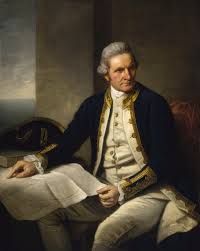
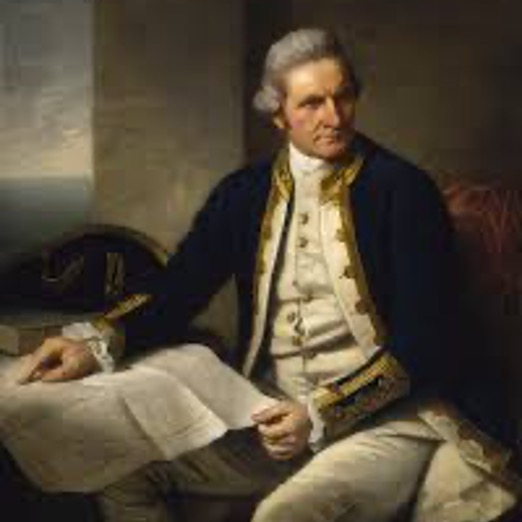
Captain James Cook [National Maritime Museum, Greenwich, London – Greenwich Hospital Collection]
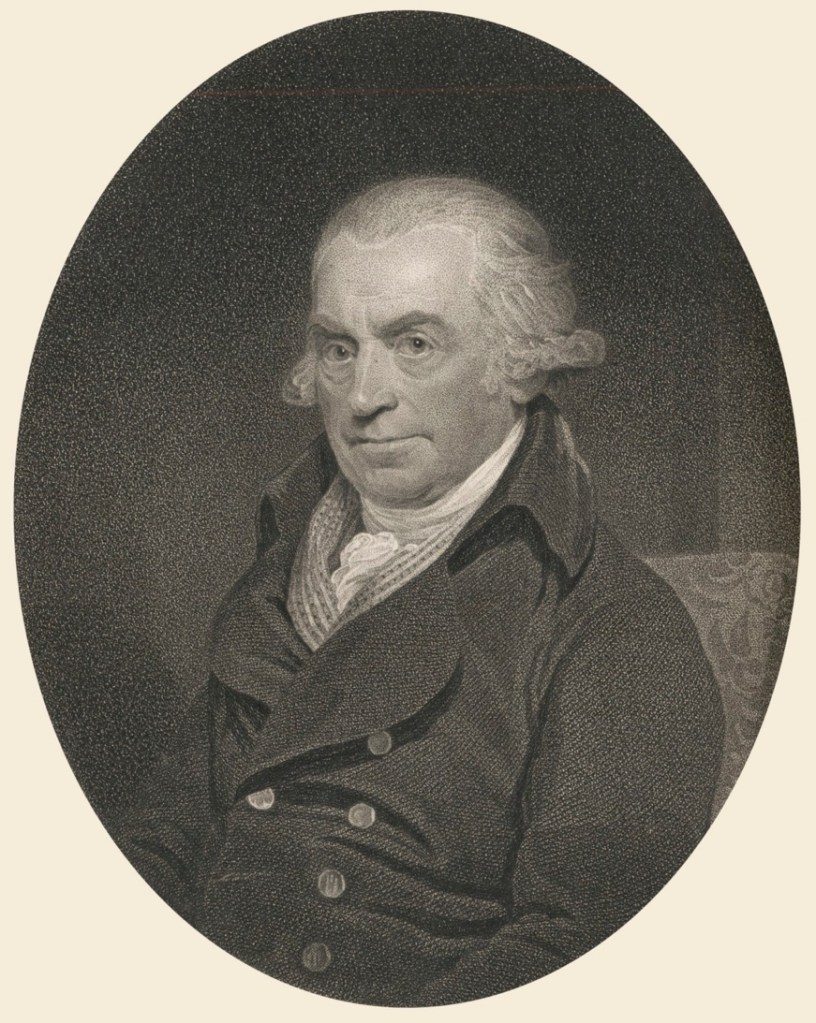
Sir Philip Stephens
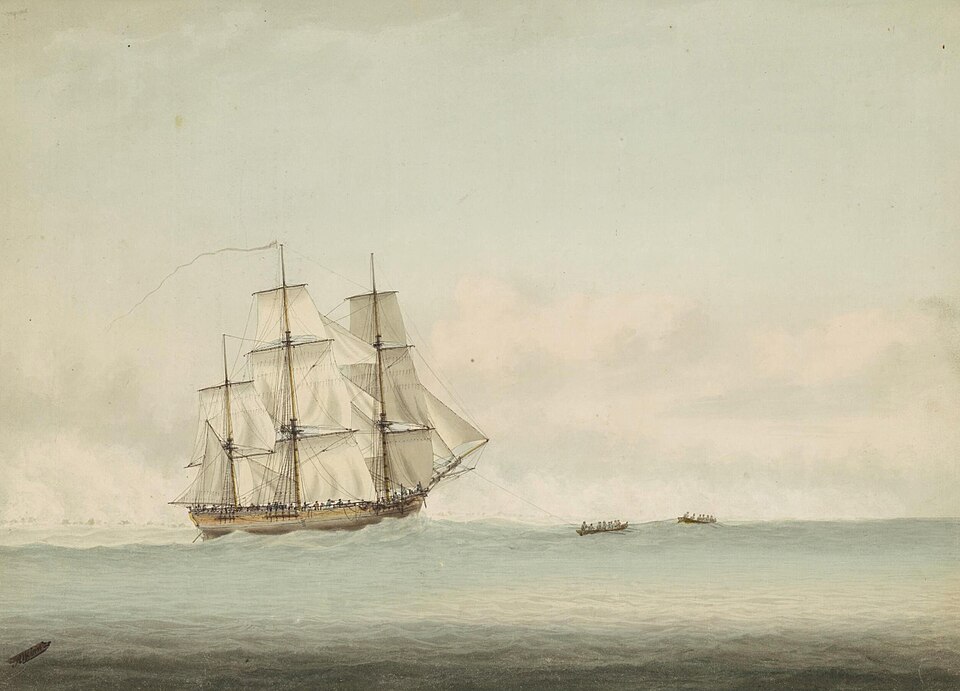
His Majesty’s Bark Endeavour
Cook’s Journal sighting and naming of Port Stephens and Point Stephens
An extract from the journal entry of Captain James Cook for 11 May 1770, in which he sights and names both Point Stephens and Port Stephens, is illustrated below:
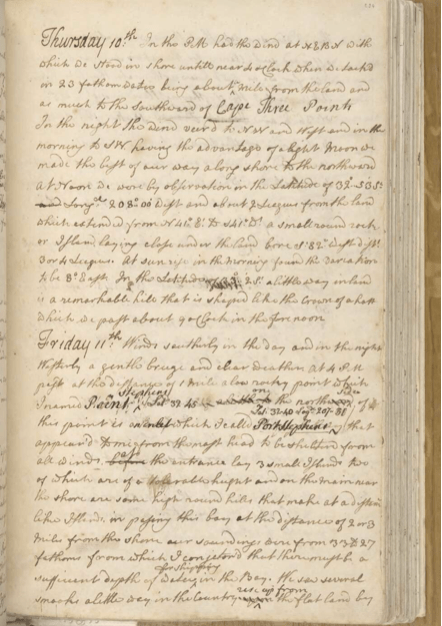
An extract of Captain Cook’s Journal of 10 and 11 May 1770. [National Museum of Australia]
Captain Cook in his journal entry for Friday, 11 May 1770, writes:
‘Winds southerly in the day and in the night. Westerly a gentle breeze and clear weather. At 4 p.m. sighted at the distance of 1 mile a low rocky point which I named Point Stephens, Lat. 32.45 on the northern side of this point is an inlet which I called Port Stephens, Lat 32.40 Logn. 207.51′, that appeared to me from the mast head to be sheltered from all winds, also the entrance lay 3 small islands, two of which are of a tolerable height and on the main near the shore are some high round hills that make at a distance like islands. In passing the bay at the distance of 2 or 3 miles from the shore our soundings were from 33 to 27 fathoms from which I conjectured that there might be a sufficient depth of water for shipping in the Bay. We saw several smokes a little way in the Country rise up from the flat land by this I did suppose that there were Lagoons which afforded subsistence for the natives such as shell fish &c for we as yet know nothing else they live upon.’
Port Stephens mentioned in the Journal of Richard Pickersgill
The Newcastle Morning Herald and Miners’ Advocate of 7 March 1936, page 5, reported:
‘In the journal of Richard Pickersgill, master’s mate of the Endeavour, appears the following entry in reference to the discovery [of Port Stephens]: “At 2 p.m., passed by several islands and a fine harbour, which lies round a bluff point, and within the islands: this harbour seemed to be very commodious, and the country round it looked rich and fertile.” Captain Cook named the inlet of his log Port Stephens, after Philip Stephens, Secretary to the Admiralty.’
Local Commemorations of Captain Cook’s Naming of Port Stephens
There are several local commemorations of Captain Cook’s place in the history of Port Stephens.
On 11 May 1970, Athol D’Ombrain placed a sextant on Boondelhbah Island (near the entrance to Port Stephens), to commemorate the 200th anniversary of Captain Cook’s journal entry of his sighting and naming of Port Stephens.
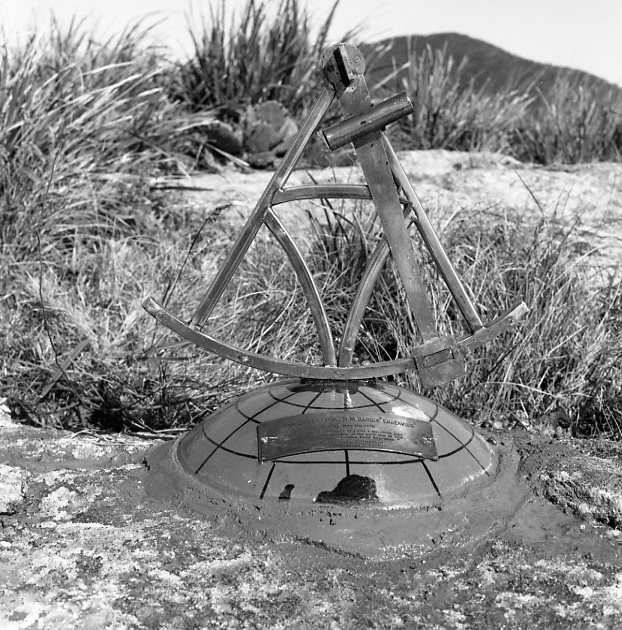
Sextant placed on Boondelhbah Island (near entrance to Port Stephens) by Athol D’Ombrain, [University of Newcastle Library ‘s Living Histories collection]
Captain James Cook is commemorated on a plaque along the Port Stephens Mariners Walk Heritage Trail that stretches from Soldiers Point to Salamander Bay.
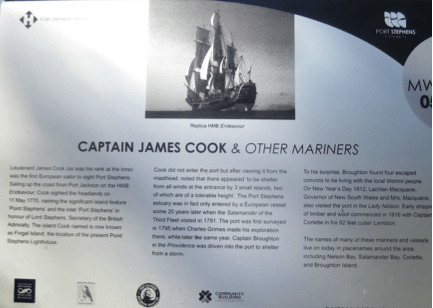
Captain James Cook plaque on the Port Stephens Mariners Walk Heritage Trail [Author photo]
There is also a plaque on the Tanilba Centenary Gates that were erected in 1931, that commemorates Captain James Cook.
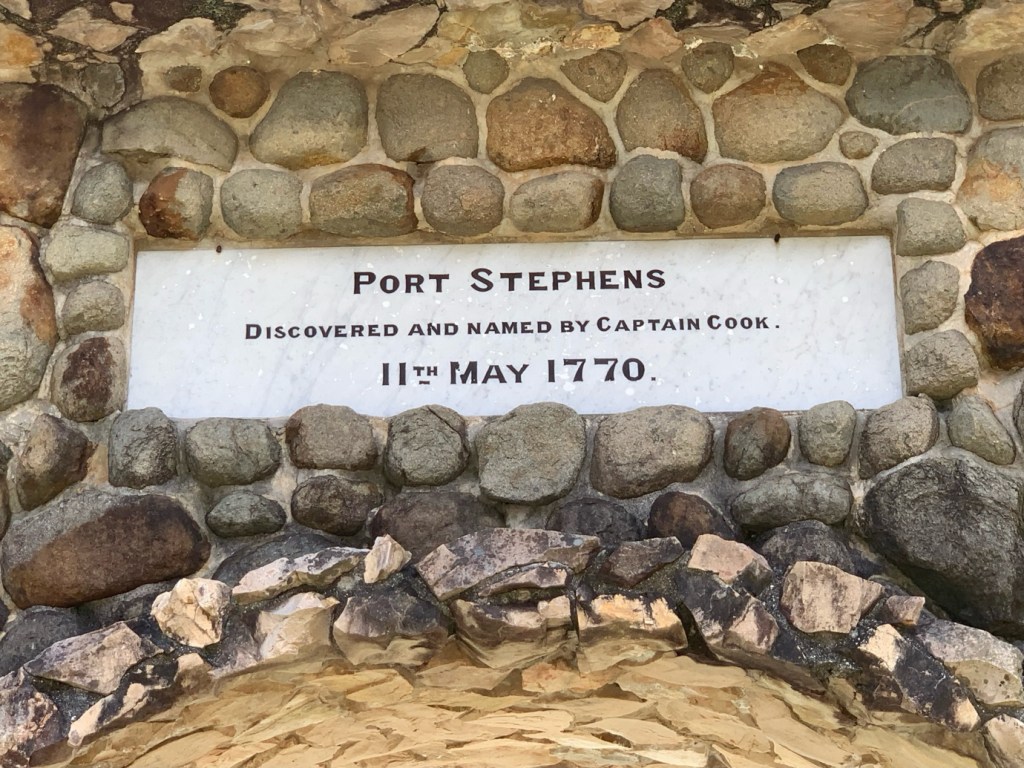
Plaque on the Tanilba Centenary Gates commemorating Captain Cook [Author photo 2017]
The Tomaree Museum Association curates a Model of HMB Endeavour:

Model of the HMB Endeavour curated by the Tomaree Museum Association, Port Stephens [Author photo]
Concluding Comments
Port Stephens and Port Jackson both share the honour of being discovered and named by the famous maritime explorer and adventurer, Captain James Cook.
It is easy to envisage his small bark, Endeavour, lying just 1.6 kilometres off the Port Stephens coast with Cook observing both the intriguing large bay with its two large heads, similar to Port Jackson and the surrounding fires of the native aboriginals, who were the first inhabitants of the land.
Researched and compiled by Kevin McGuinness
October 2025

 Port Stephens - a history exploration