
Introduction
Much of the early built environment at Tanilba Bay, Port Stephens, is the legacy of the renowned architect, town planner and realtor, Henry Ferdinand Halloran.
During the 1920’s and 1930’s, Halloran acquired land on the Tilligerry Peninsula and began subdividing and marketing the areas for residential housing development.
His three housing subdivisions on the Peninsula were:
Tanilba House Estate; Tanilba Bay Estate; and Mallabula Estate.
Henry Halloran had a visionary approach to urban planning and was inspired by the Garden City movement that was popular at the time. Aspects of his estate designs at Tanilba Bay can be likened to those of Walter Burley Griffin and his urban design of Canberra.
While much of the designs and features of the three estates have survived to the present, some of the planned parks were later subdivided for housing.
This paper illustrates the planned subdivisions of the above three Halloran Estates.
It is also a story in photos of the many signature features that Henry Halloran designed for the estates – stonework gates, archways, a street temple, pergola, boulevards, and parks that are evident around Tanilba Bay today.
The Appendix shows photos of Tanilba House around which the Tanilba House Estate was laid out.
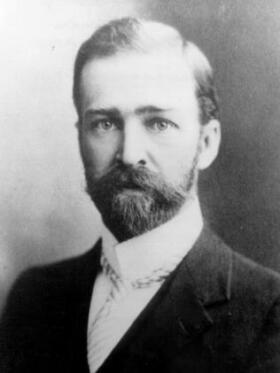
Henry Ferdinand Halloran
Since his death in 1953, much has been written about this prominent businessman and property developer. He played an important role in opening up many areas for settlement in New South Wales and the Australian Capital Territory.
Henry Ferdinand Halloran
In 1897, Henry Halloran had established his own company, Henry F Halloran & Co. and had begun planning and marketing properties across Sydney suburbs and several regions including the Central Coast, Lithgow, Jervis Bay, Queanbeyan, Canberra, Lake Macquarie, and Port Stephens.
In 1913, he expanded into Port Stephens, founding Realty Realizations Limited at Raymond Terrace, and subdividing and marketing land at Nelson Bay, Tanilba Bay, Shoal Bay, and North Arm Cove, and on the northern side of Port Stephens at Pindimar and North Arm Cove.
The Newcastle Morning Herald and Miners’ Advocate of 31 October 1953, page 5, published the following obituary to Henry Ferdinand Halloran:
‘Mr. Henry Ferdinand Halloran, managing director of Henry F. Halloran, conveyancing surveyors, who died in Sydney at the age of 84, had been in practice as a conveyancer since 1897. His interests were not confined to Sydney. He was also managing-director of Realty Realizations Ltd., Hamilton, and from there controlled the activities of the two organisations in the Northern district. His country home was at Ferodale, six miles out of Raymond Terrace, where he owned a farm. Usually, he spent his holidays there. He had made a close study of animal husbandry and had shown that the country in this part of the North was suitable for pasturing sheep.
Between this suburban settlement and Port Stephens, Mr. Halloran divided his time when away from the capital. Estates were acquired, subdivided and sold at Tanilba and Shoal Bay, where there has been considerable expansion. Around Tanilba, one might see the town-planner’s impression of a well-laid out town. Thirteen estates were subdivided in this area by Mr. Halloran, who, addressing a conference of Port Stephens Shire councillors 30 years ago, said he was convinced that, with or without the railway that had been spoken of to connect Morpeth with Port Stephens, there would be rapid development.
At Lake Macquarie, he had planned and subdivided 15 estates and superintended much of the operations in the Newcastle district, with the firm’s representative (Mr. D. R. Roberts). Mr. Halloran assisted the research of the historical societies, and made available valuable data collected in the course of 50 years. The Halloran family’s link with the colony was unbroken from the days of Endeavour. Mr. Halloran’s grandfather was associated with Lieut. Caswell, believed to have been the first English naval man buried in the old cemetery behind Raymond Terrace.’
Tanilba House Estate
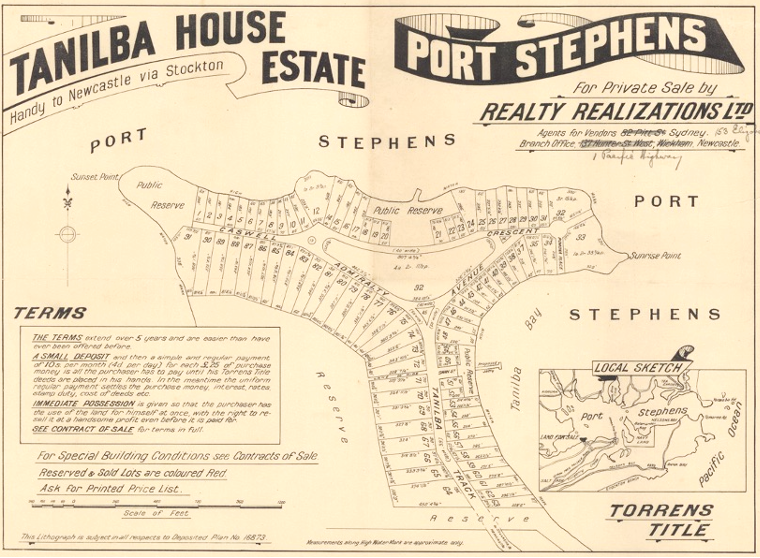
Plan of the Tanilba House Estate [State Library of New South Wales
The Tanilba House Estate was designed to complement the historic convict-built Tanilba House and nearby lime kilns, in which lime was made by convicts to construct the house.
While developing the Tilligerry Peninsula housing estates, Henry Halloran owned and resided in Tanilba House which he acquired in 1920.
Design Features of the Tanilba House Estate
Temple of the Stork
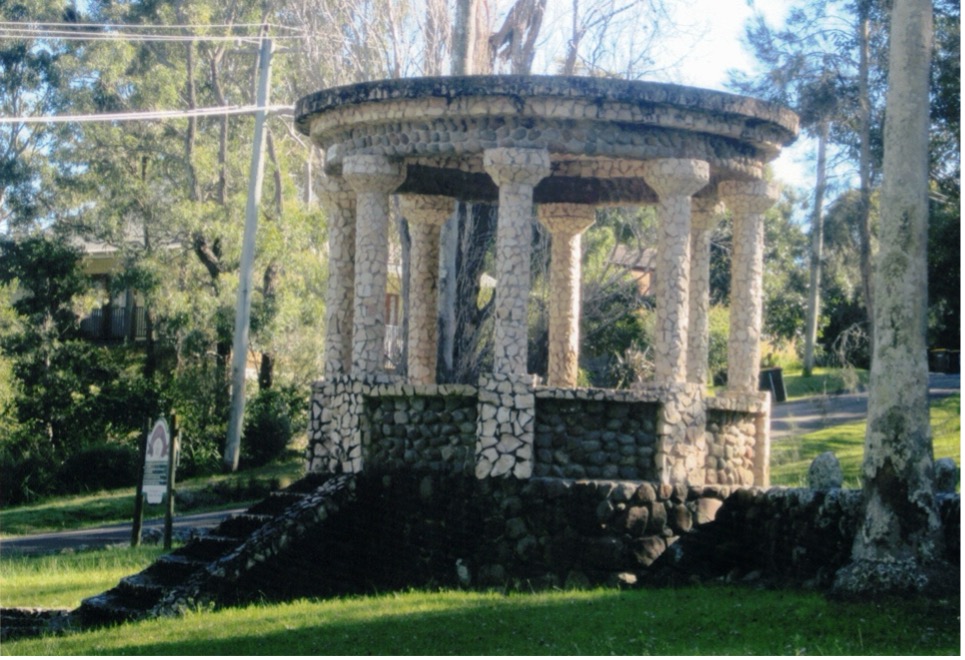
Temple of the Stork, near Tanilba House [Author photo – 2013]
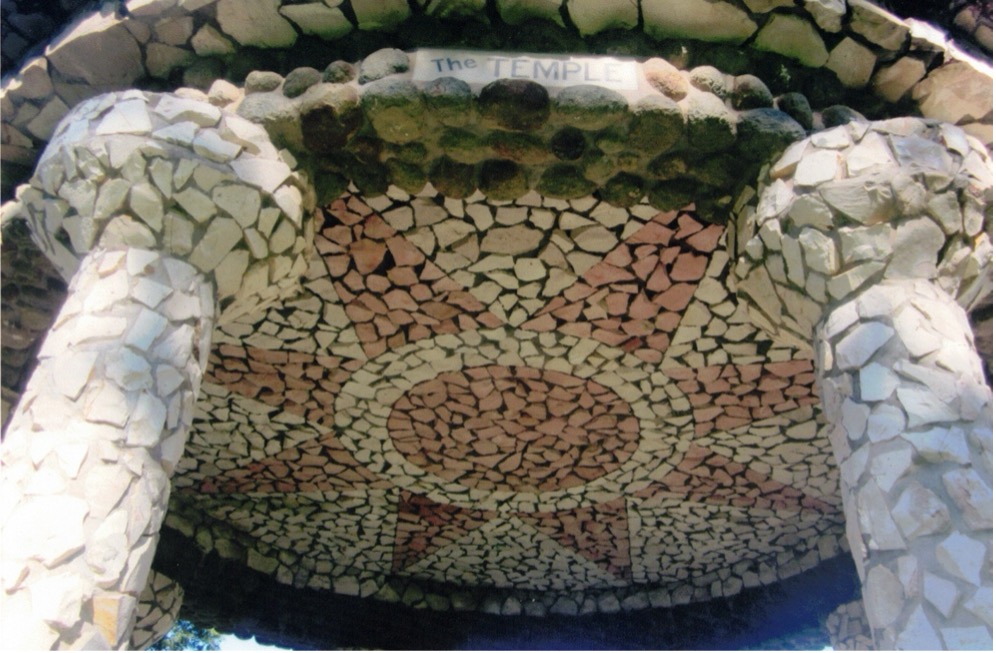
Roof of the Temple of the Stork [Author photo – 2013]
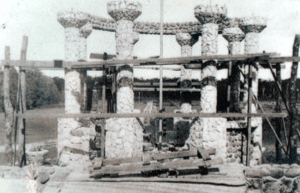
Construction of the Mosaic Temple
Convict Lime Kilns at Sunset Park
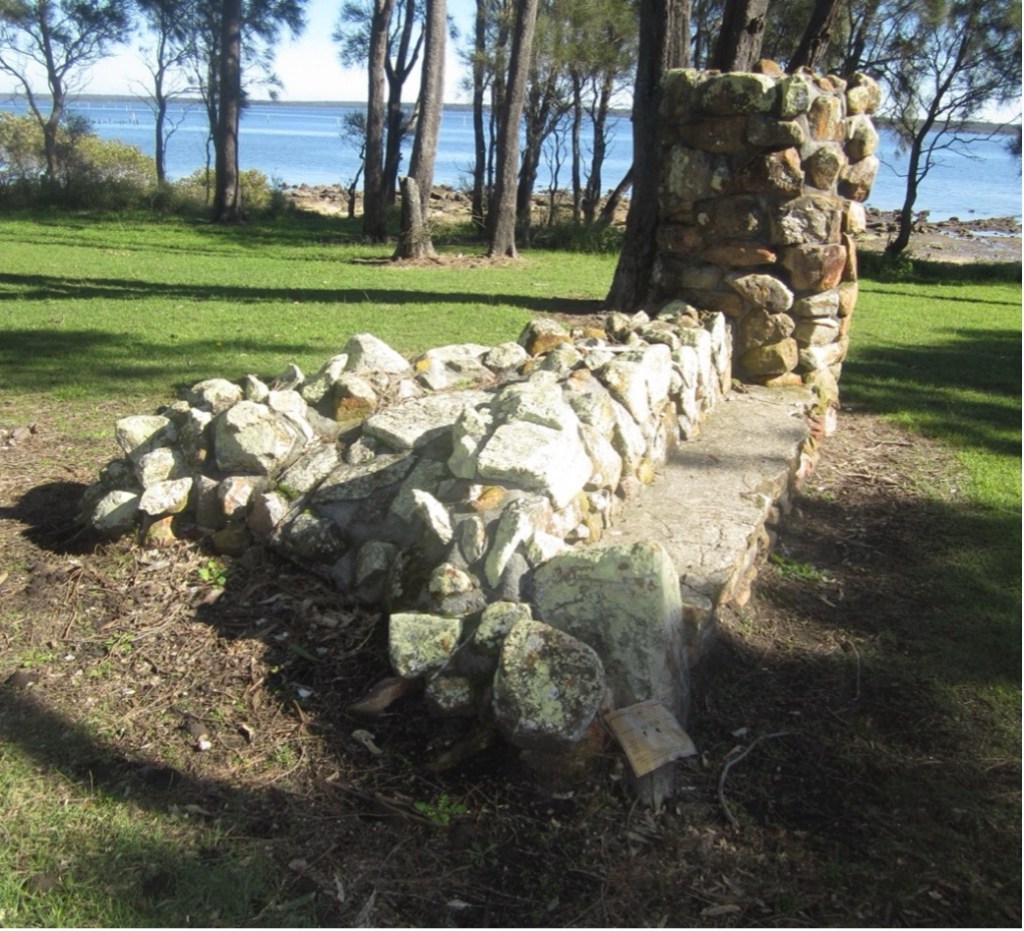
Restored convict lime kiln at Sunset Park [also known as the Tanilba Bay Heritage Precinct] incorporating a bench seat. Convicts burnt oyster shells in the kiln to produce lime, which was used to construct the walls of Tanilba House and other features [Author photo – 2013]
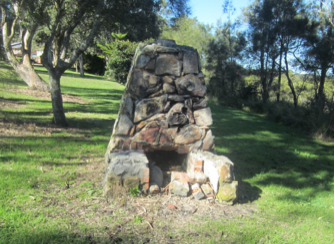
Restored convict lime kiln at Sunset Park [Author photo -2013]
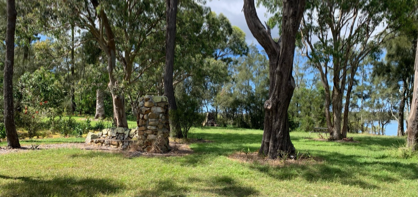
Location of the two kilns at Sunset Park [Author photo – 2022]
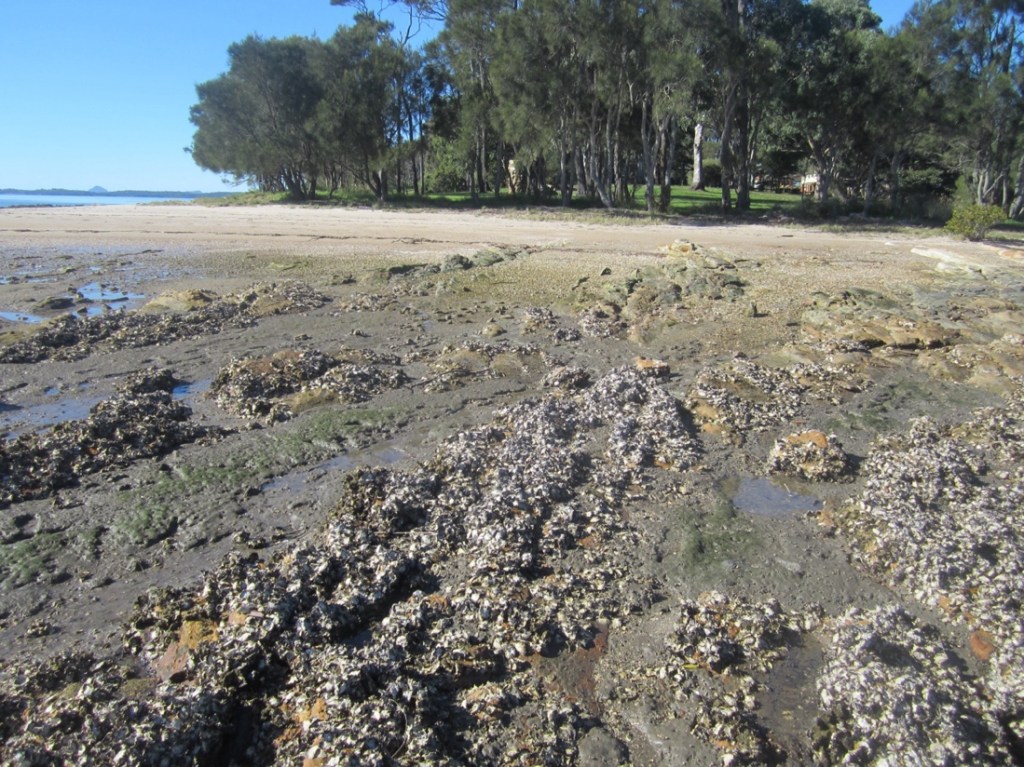
Several oyster shell beds, adjacent to Sunset Park, that would have been used by the convicts in the nearby lime kilns [Author photo – 2013]
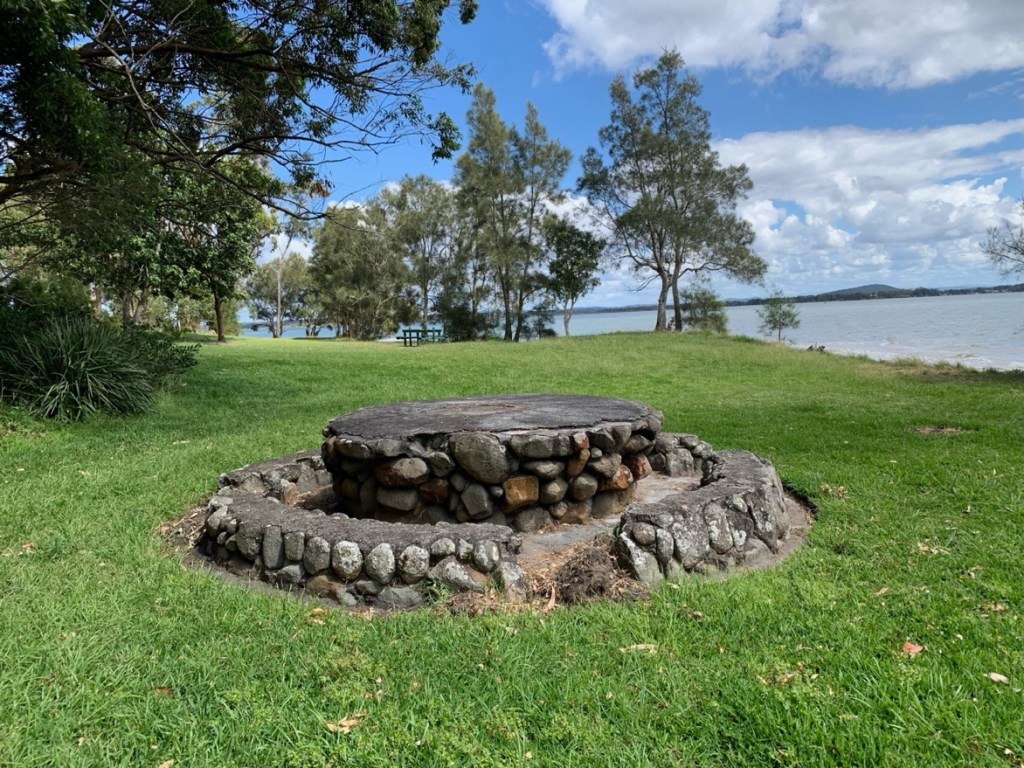
Circular picnic seats and table at Sunset Park [Author photo – 2023]
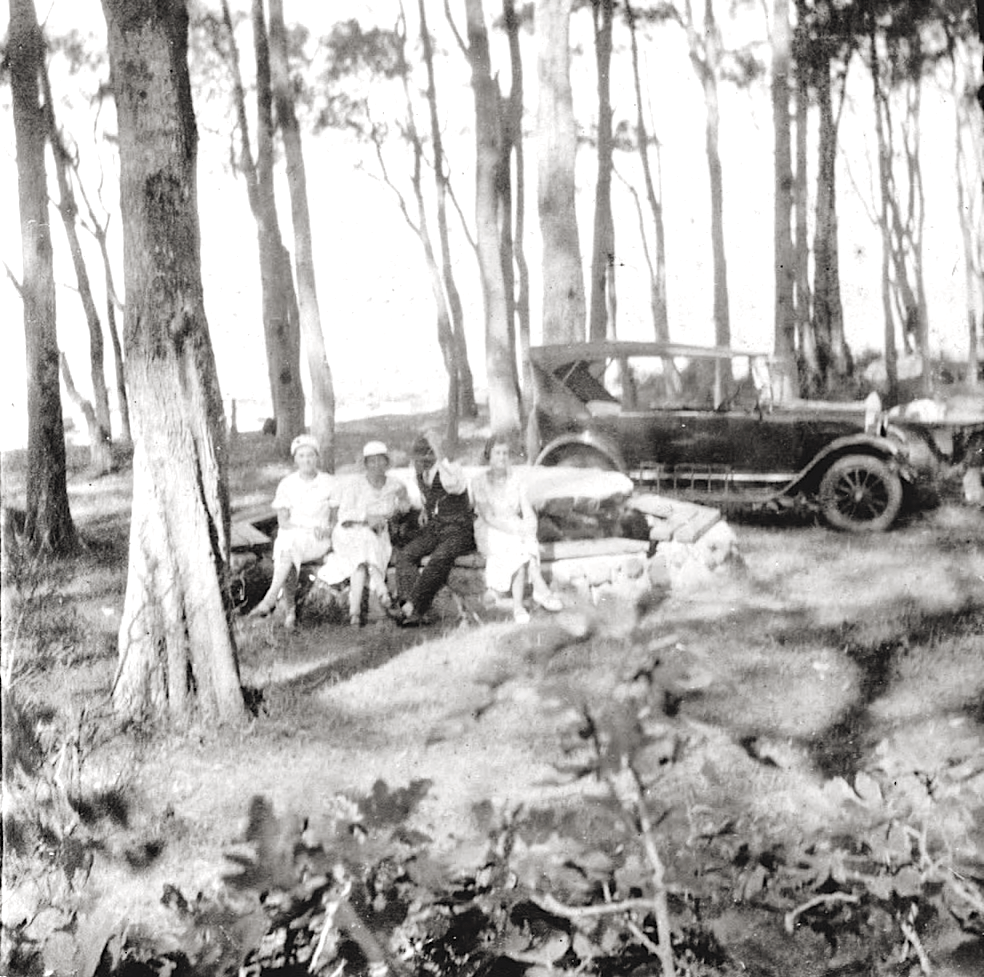
The seat and table in use by picknickers – 1935 [Newcastle University Library]
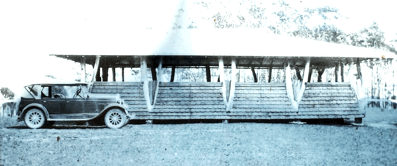
Pavilion (now demolished) located in Sunset Park, Tanilba Bay, circa 1930
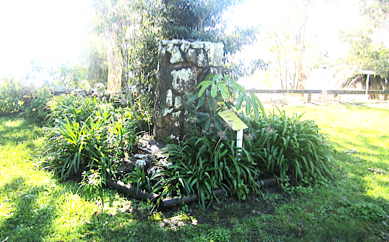
Lime Kiln built by Henry F. Halloran about 1931 from local stone and moved to Meridian Park (opposite Tanilba House) in 2003 [Author photo – 2013]
The Summer House
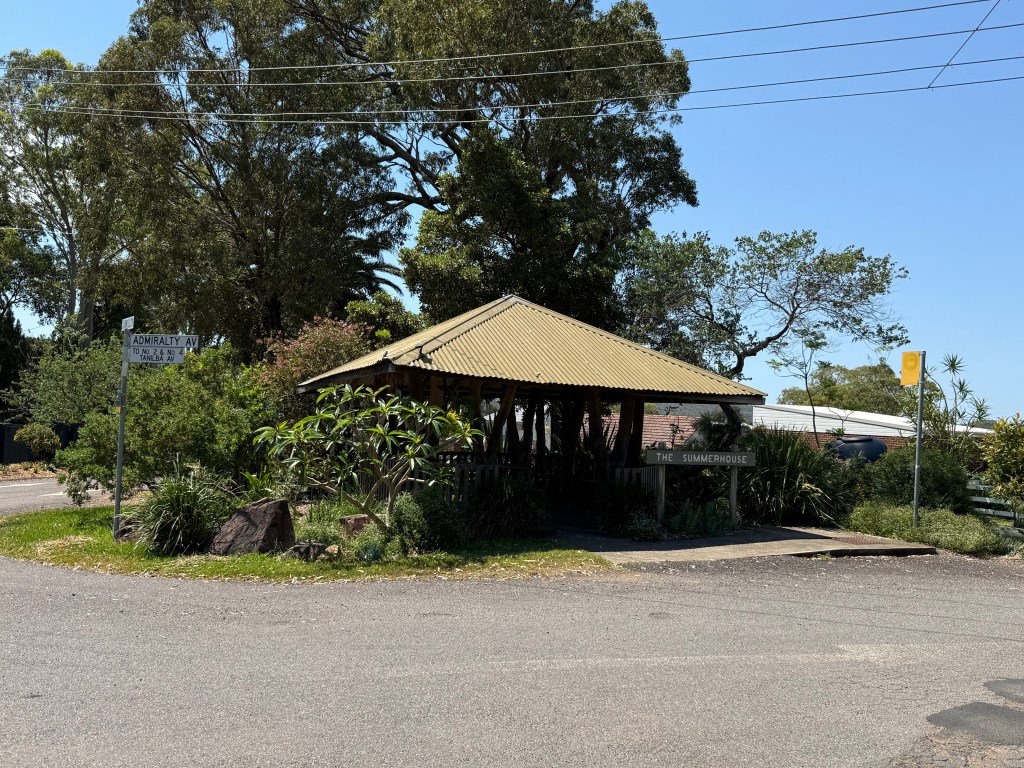
Summer House (at the eastern corner of Caswell Crescent and Admiralty Avenue, Tanilba Bay) now serving as a bus stop shelter [Author photo – 2025]
Changing Room
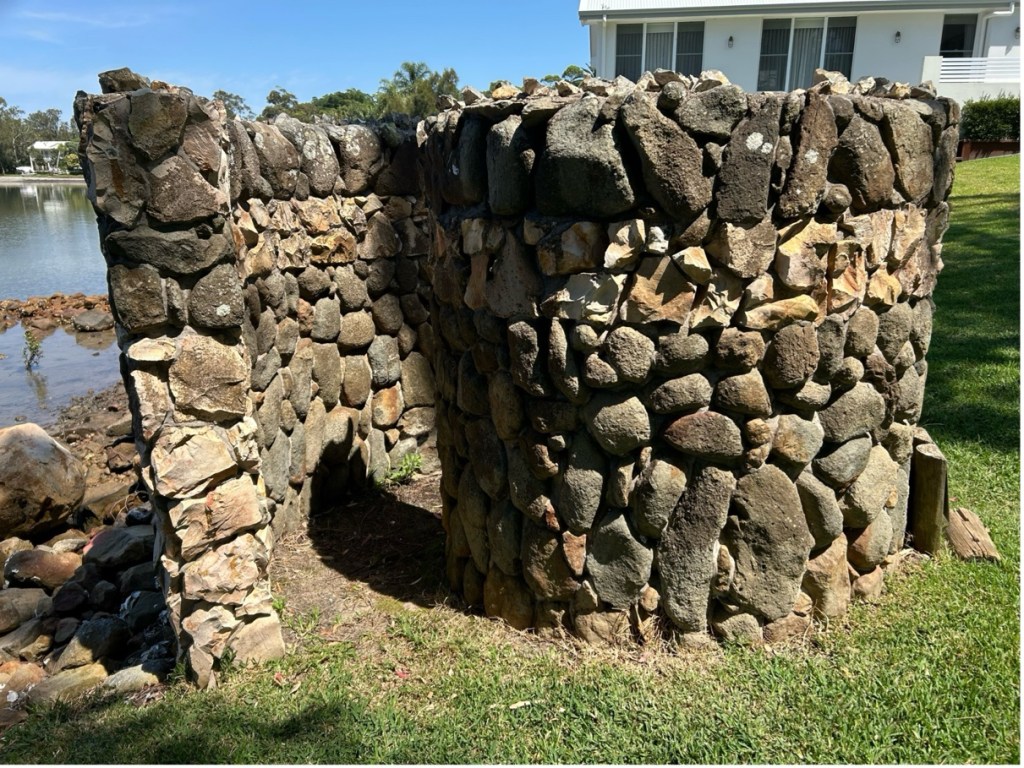
Changing Room for bathers in Pomona Place at Tanilba Bay [ Author Photo – 2025]
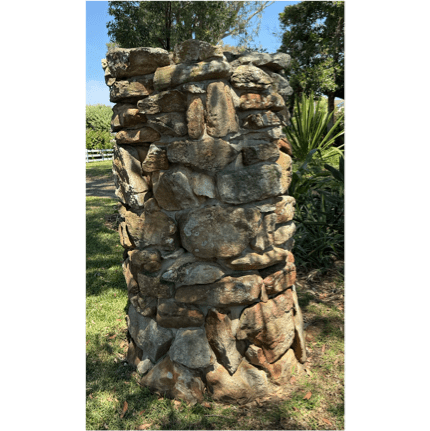
Restored Lime kiln situated in Caswell Avenue, Tanilba Bay, near the Summer House [Author photo – 2025]
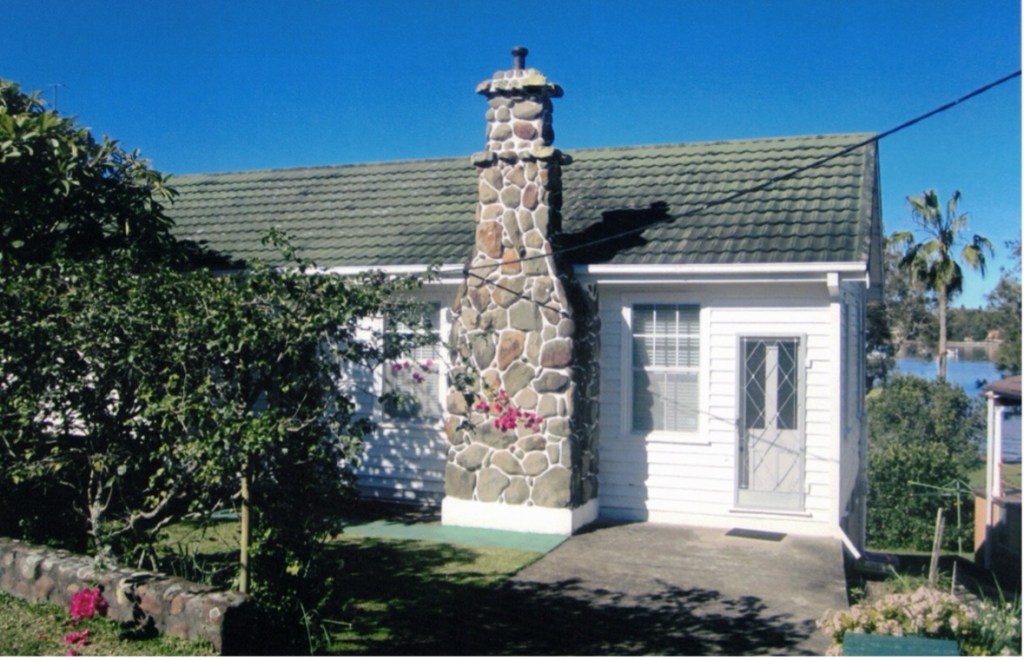
Ornamental stone chimney of a house in Admiralty Avenue [since demolished] originally occupied by Italian stonemasons. The chimney was built in the style of a Halloran’s structure [Author photo – 2013]
Tanilba Bay Estate
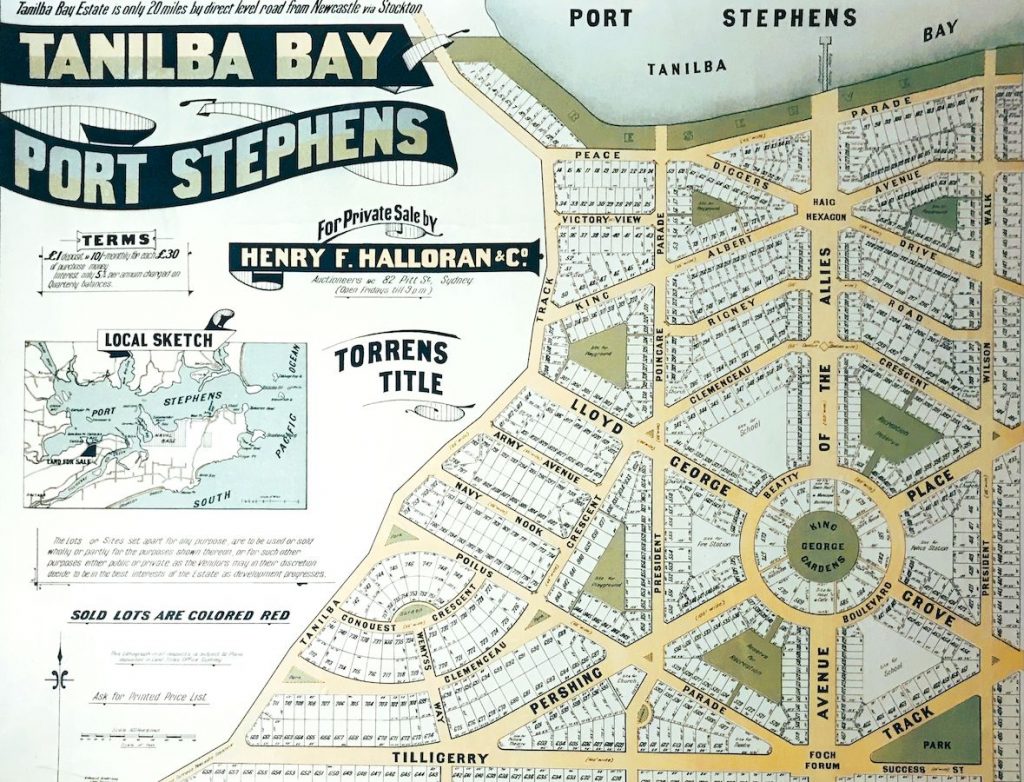
Plan of the Tanilba Bay Estate
Design Features of the Tanilba Bay Estate
Land (Entrance) Gate
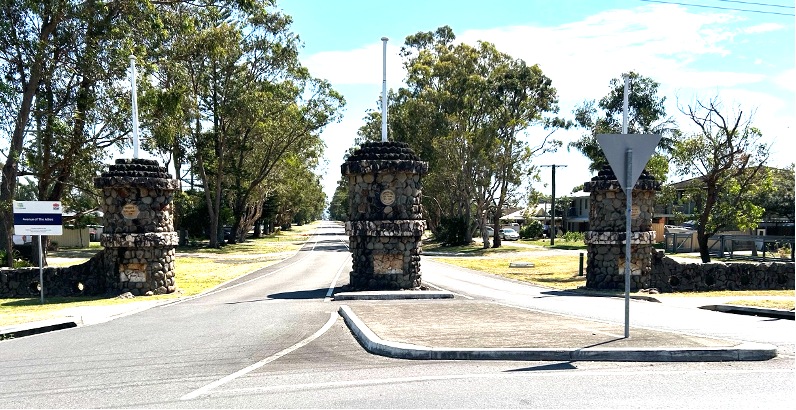
Land (Entrance) Gate to Tanilba Bay, off roundabout on Lemon Tree Passage Road [Author photo, 2025]
The plaques on the three pillars read (left to right):
Henry F. Halloran 1931
Tanilba Bay
150 years
1831-1981
Cr. B Mackenzie
Land or Entrance Gate
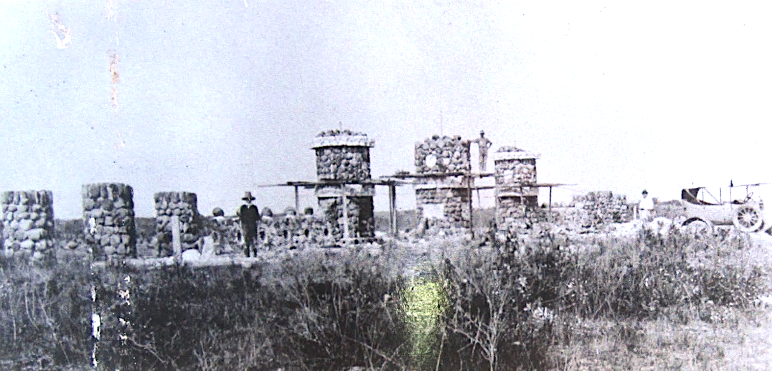
Entrance Gate to the Tanilba Bay Estate – under construction, circa 1930
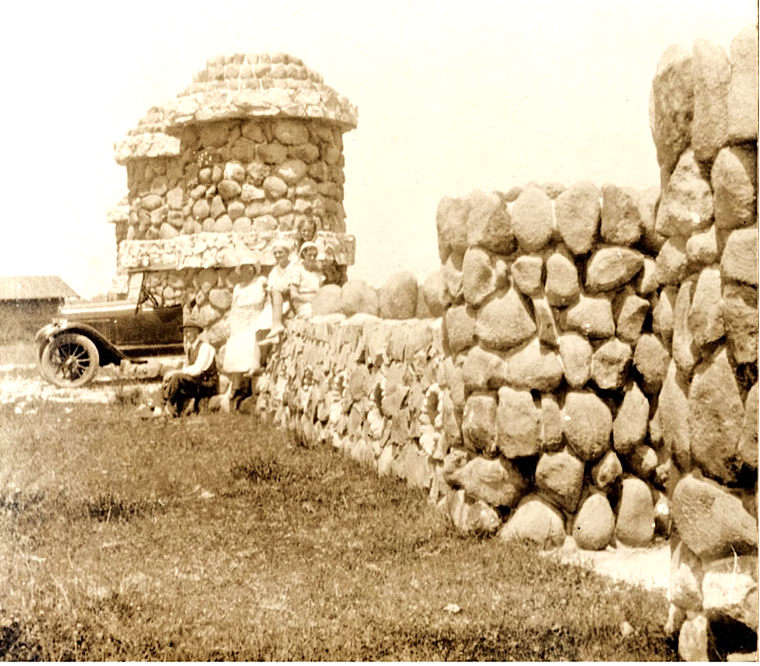
Entrance Gate to Tanilba Bay Estate – 1935 [Newcastle University Library] The same people and car were those featured at the picnic table at Sunset Park
Avenue of the Allies
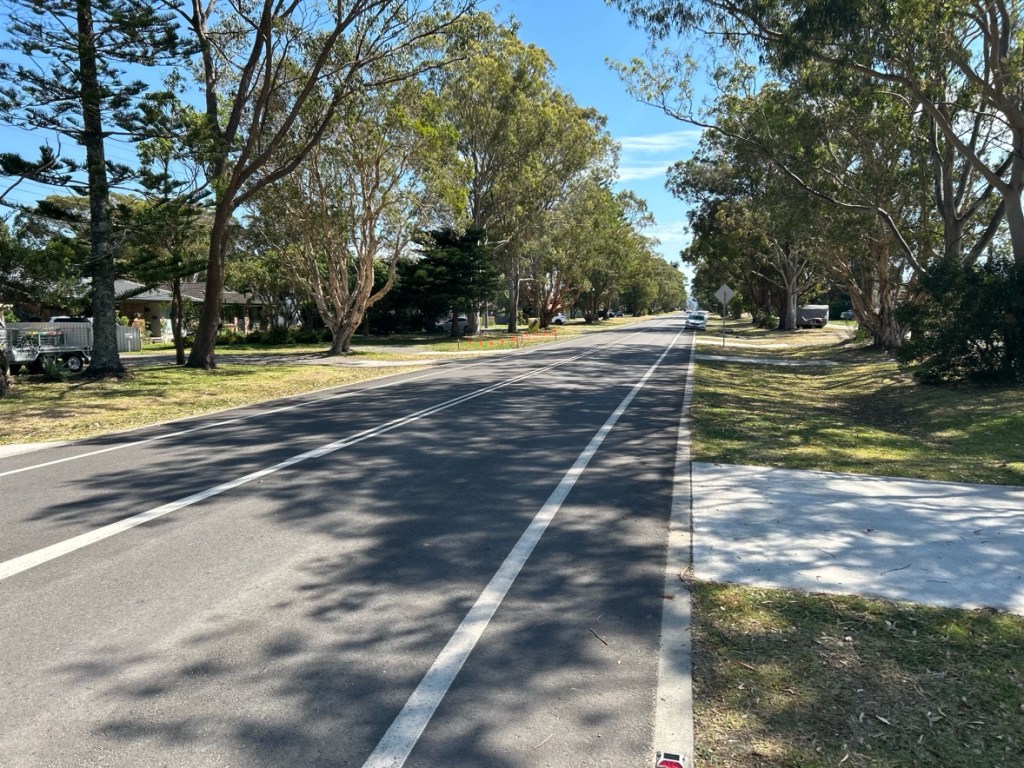
Avenue of the Allies located between the Entrance Gate and the Centenary Water Gate [Author photo – 2025]
Centenary Water Gate
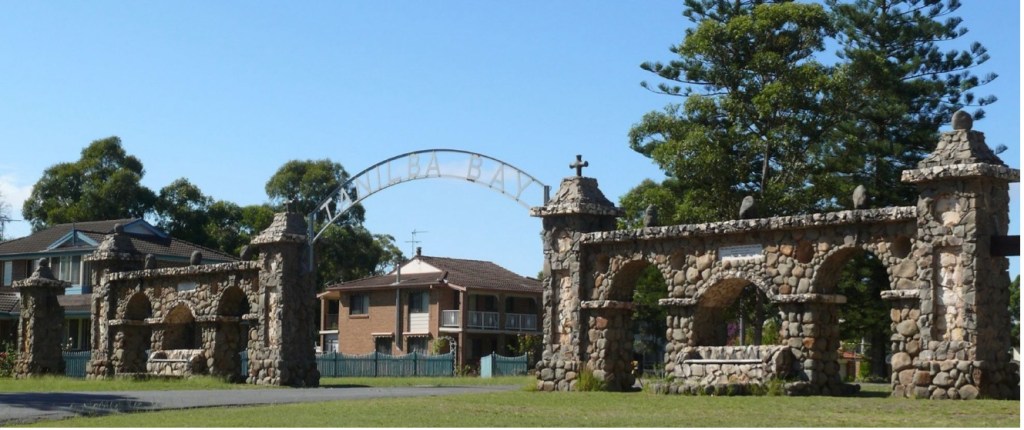
Centenary Water Gate on the Tanilba Bay Estate – view from Tanilba Bay
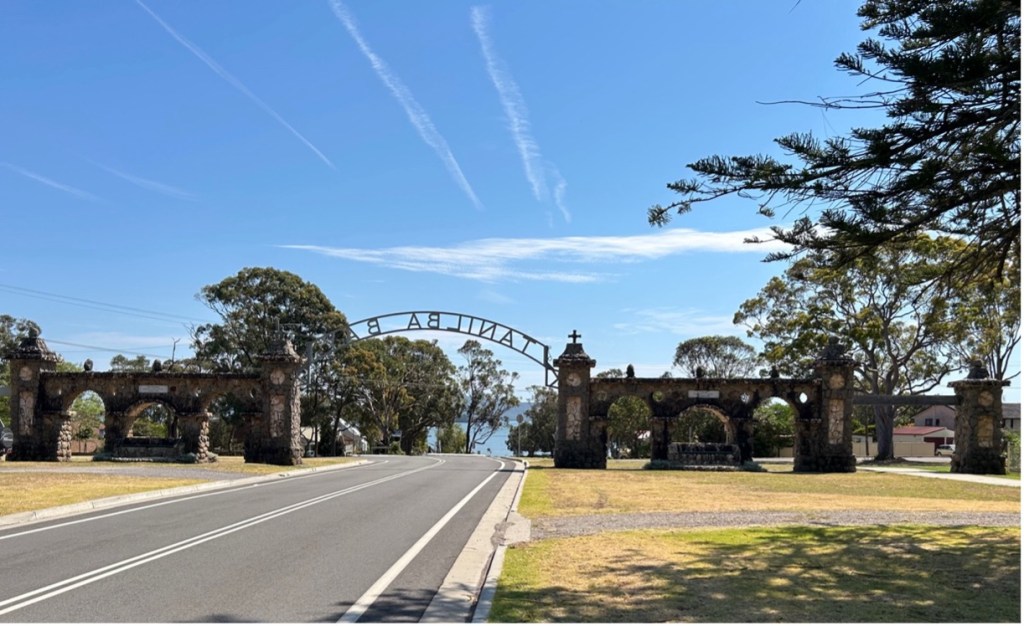
Centenary Water Gate – Tanilba Bay Estate, looking toward Tanilba Bay [Author photo – 2025]
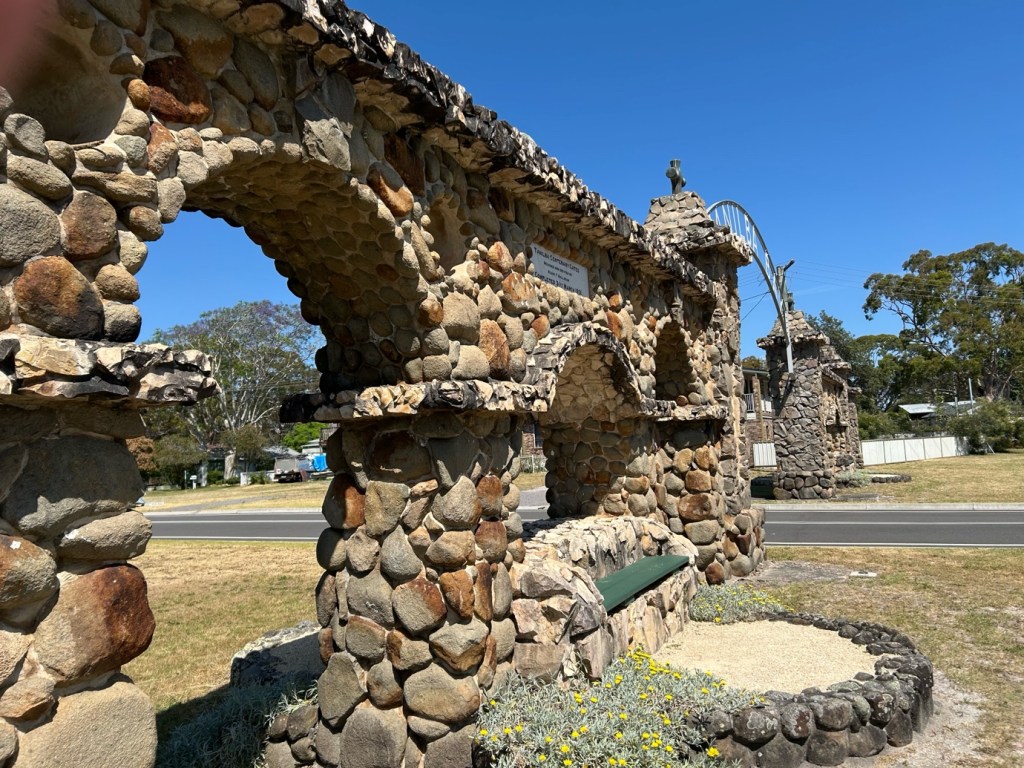
View of the Centenary Water Gate [Author Photo – 2025]
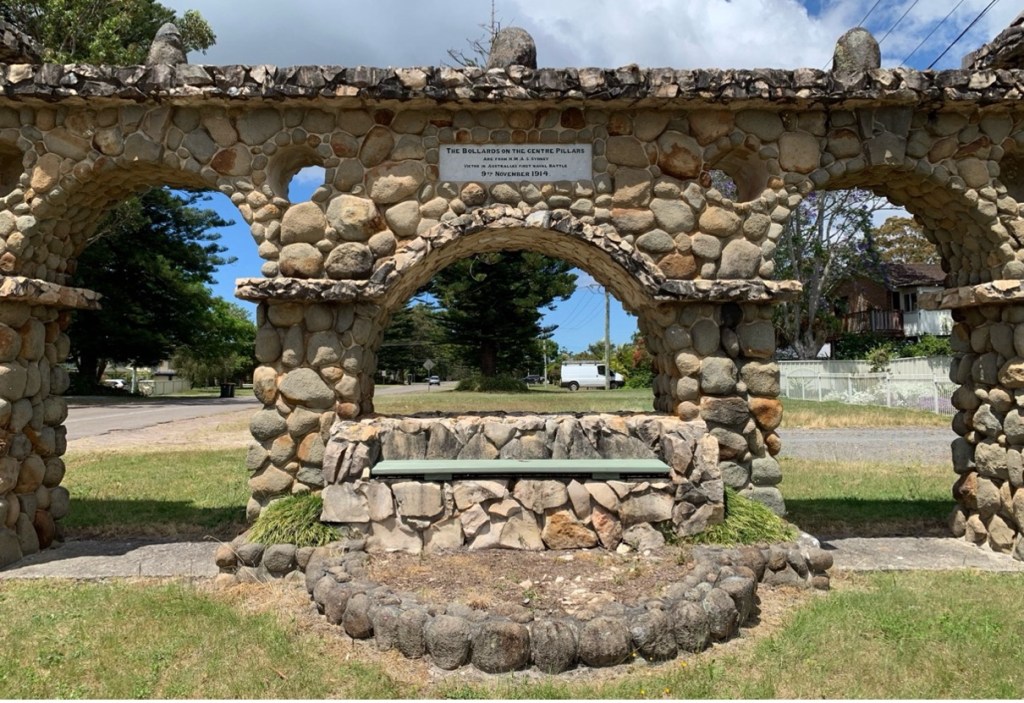
Section of the Centenary Wate Gate [Author Photo -2025]
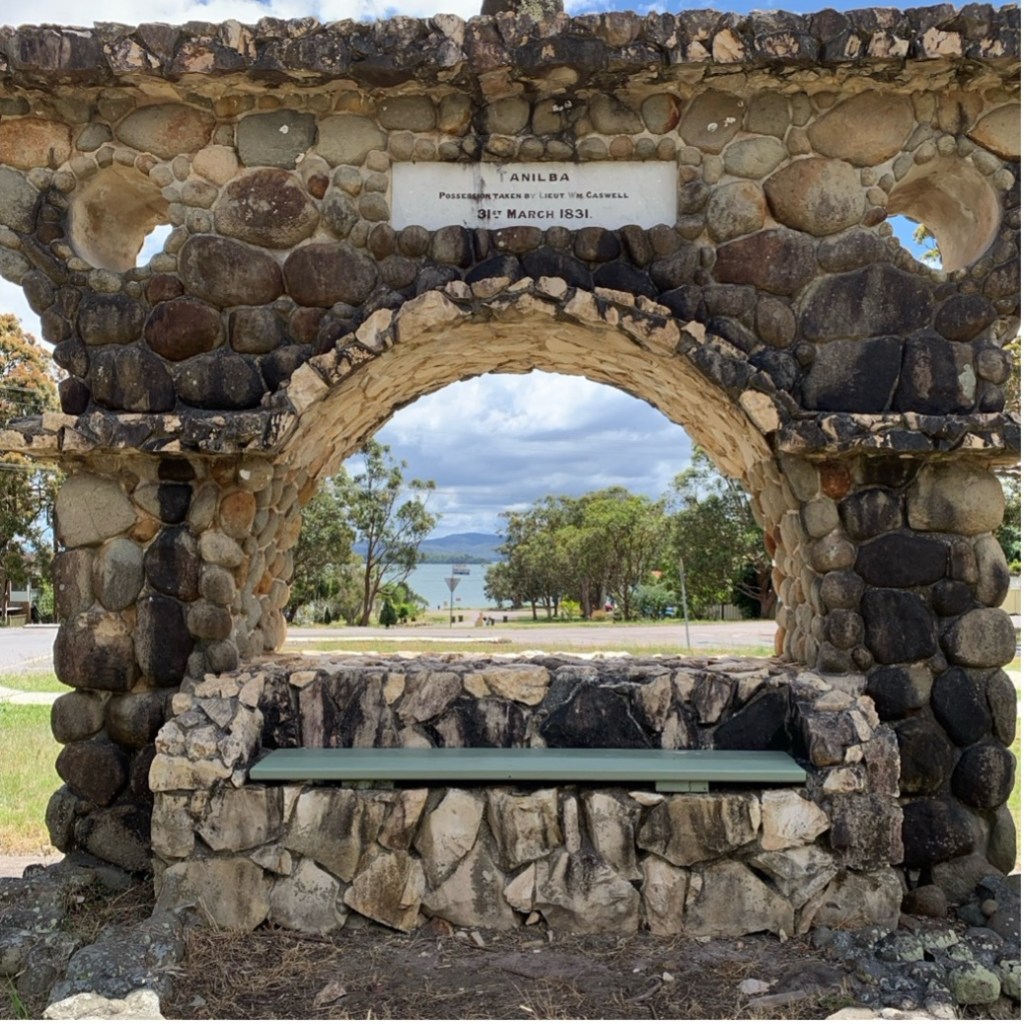
The Centenary Water Gate contains four plaques which encapsulate the colonial history of Tanilba Bay. They read:
Port Stephens
Discovered and named by Captain Cook
11th May 1770
Tanilba
Possession taken by Lieut. William Caswell
31st March 1831
Tanilba Centenary Gates
Designed and erected by Henry F. Halloran
Completed 31st March 1931
The Bollards on the Centre Pillars are from H.M.A.S. Sydney
Victor in Australia’s First Naval Battle
9th November 1914
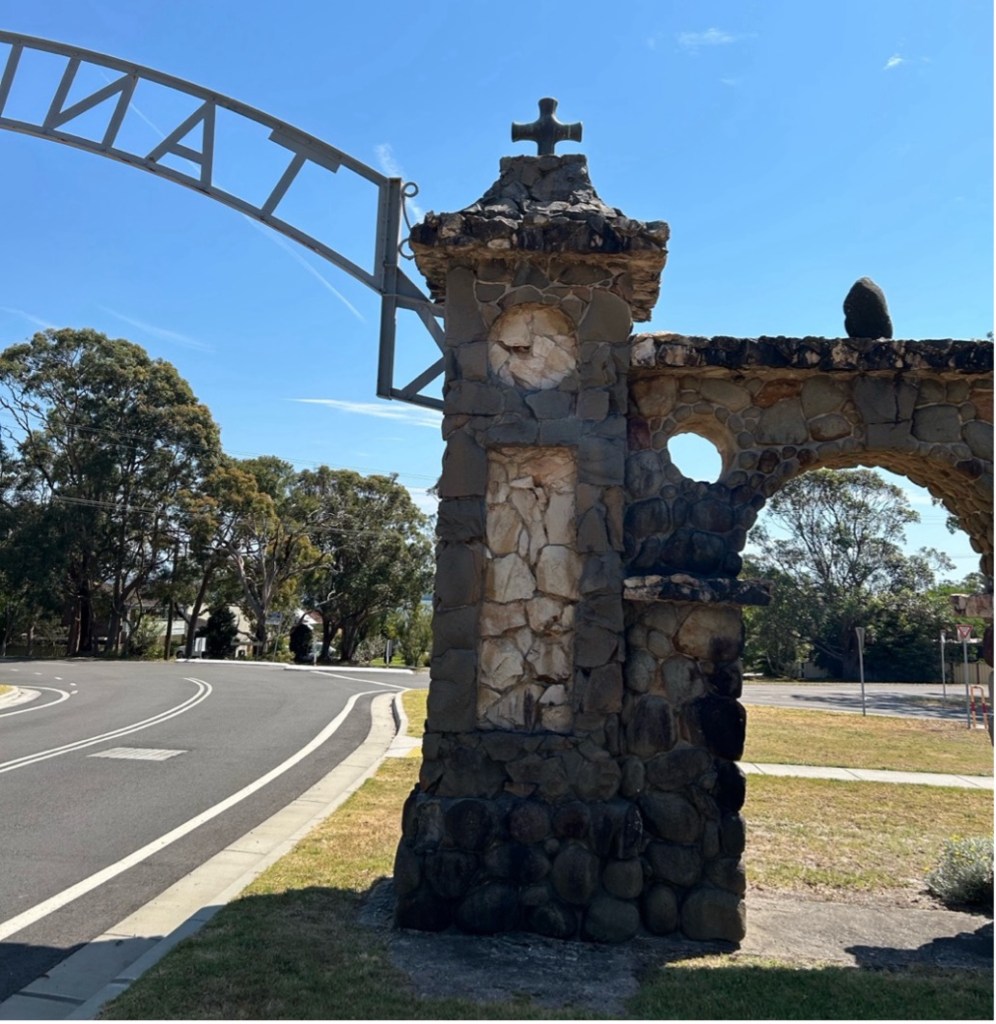
One of the bollards from H.M.A.S. Sydney as placed on the Centenary Gate [Author photo – 2025]
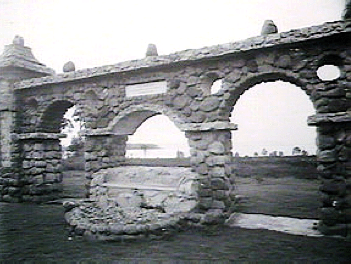
The Centenary Gate, Tanilba Bay Estate, circa 1930 [State Library of NSW]
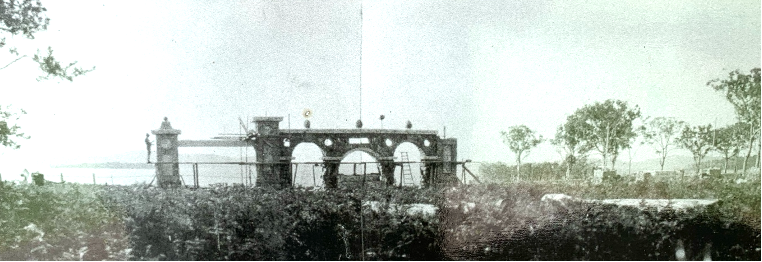
Centenary Gate – under construction, circa 1930
It is noted that naming of the streets of the Estate had an alliterative flair, with the first letter of the name matching that of the street’s title , e.g. Avenue of the Allies, Diggers Drive, Caswell Crescent, Army Avenue, Victory View and so on.
The street names also reflect the patriotic fervour of the First World War.
Mallabula Estate
Apart from parkland, the Mallabula Estate lacked the signature design features of the Tanilba House and Tanilba Bay Estates.
Some of the parklands, provided for in this Estate plan, were subdivided in later years for the construction of houses.
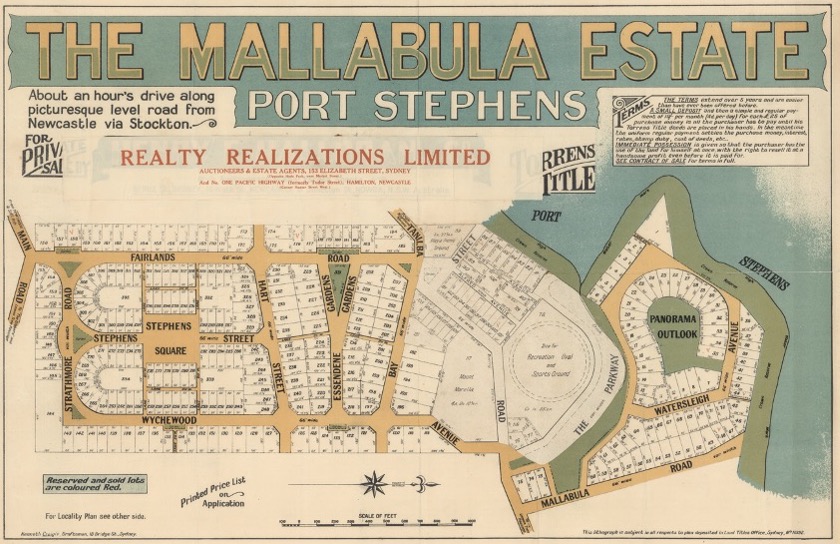
Plan of the Mallabula Estate – 1919 [State Library of New South Wales]
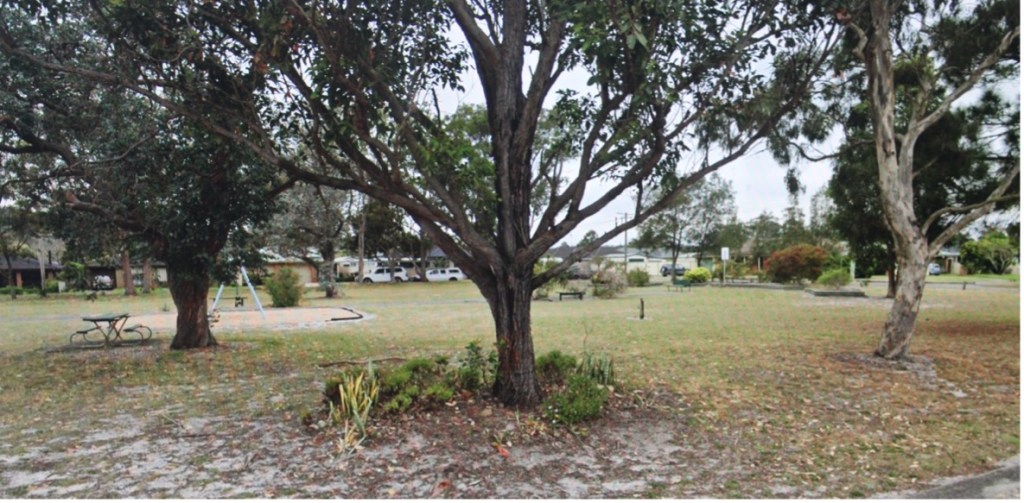
Stephens Square – Mallabula Estate
Concluding Comments
Port Stephens was fortunate in having Henry Halloran as the town planner and designer of numerous housing estates throughout the Port Stephens area.
Details of the Tanilba Bay Heritage and History Trail is available at this link.
The following papers dealing with Tanilba Bay and also housing developments of Henry Halloran in the Port Stephens area are published on this website and can be found at the following links:
Girl guide camps at Sunset Park, Tanilba Bay
Port Stephens City at North Arm
Pindimar City at Port Stephens
Early Land Subdivisions in Port Stephens
Early History of the Lemon Tree Passage Road
APPENDIX
Photos of Tanilba House
In 1831, Lieutenant William Caswell, R.N., received a 50-acre land grant in what is now Tanilba Bay. Convicts cleared the land and built Tanilba House from local stone.
A 4-hectare vineyard grew east of the house in the 1830s-1840s, and an olive tree planted then still stands on the grounds. Part of a convict built stone boundary wall of Tanilba House still exists.
Further information on the The Legacy of William Caswell and Tanilba House can be found at this link on the website
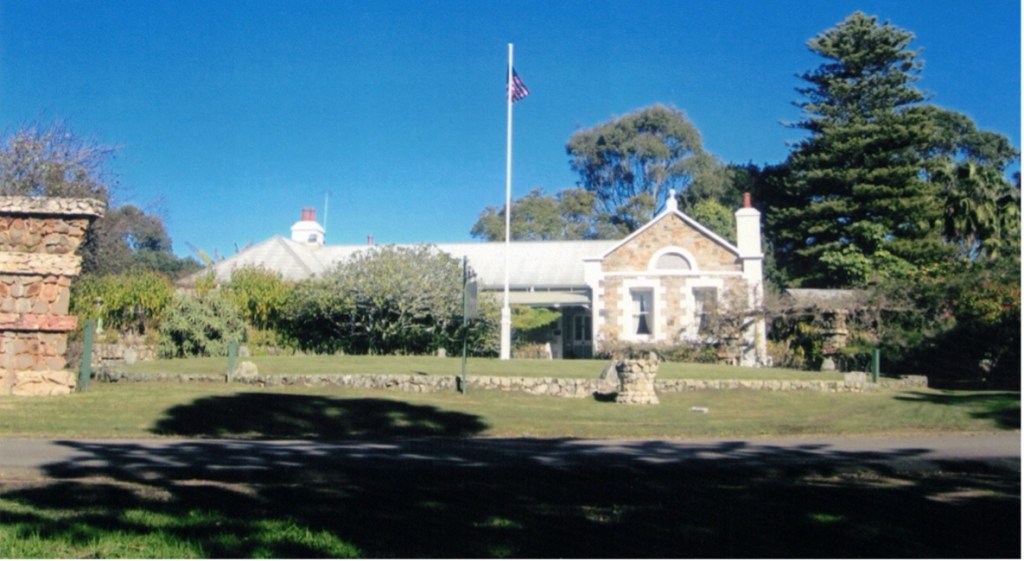
Tanilba House [Author photo – 2013]
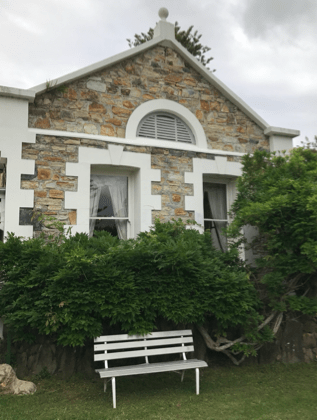
Master bedroom of Tanilba House [Author photo – 2017]
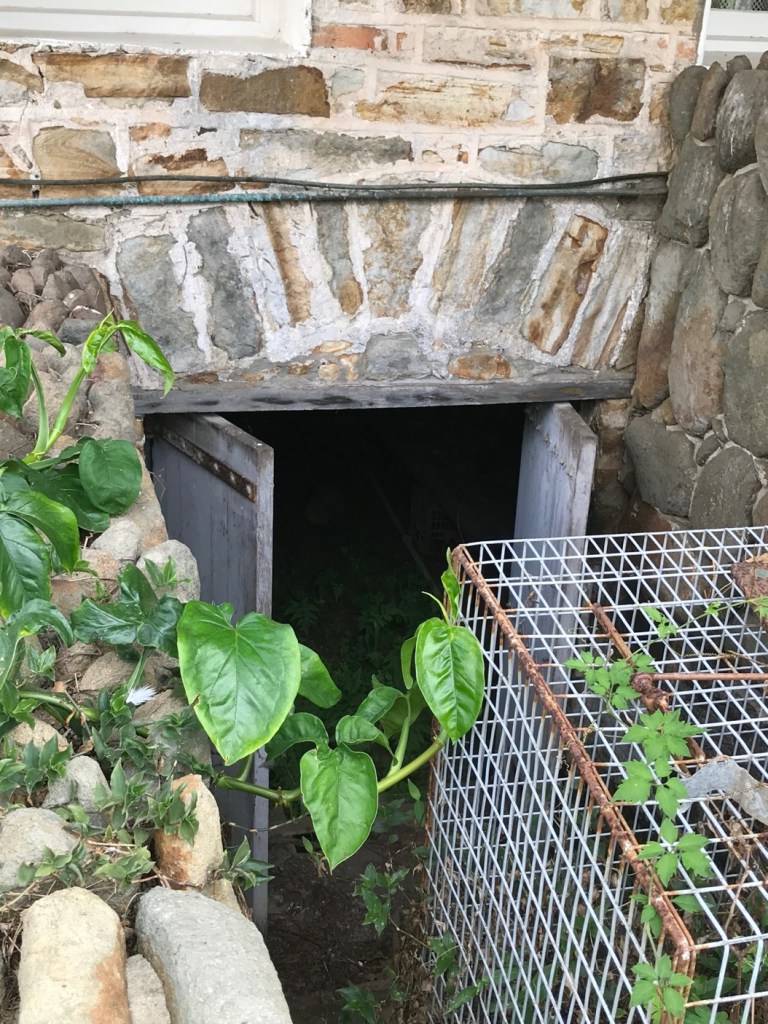
Cellar of Tanilba House [Author photo – 2017]
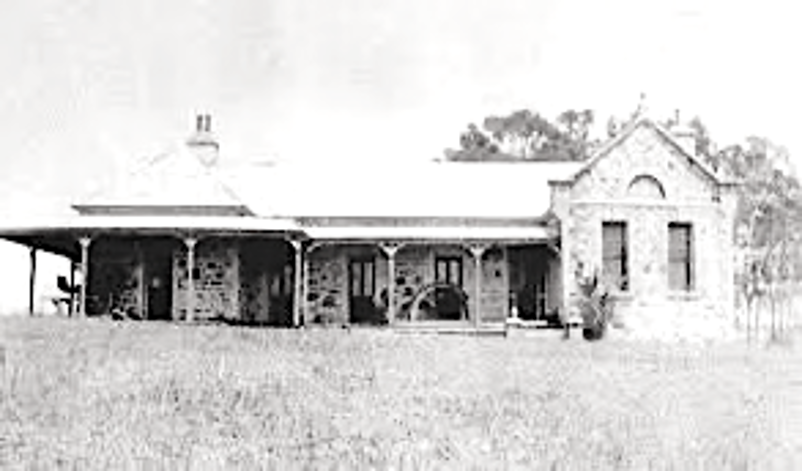
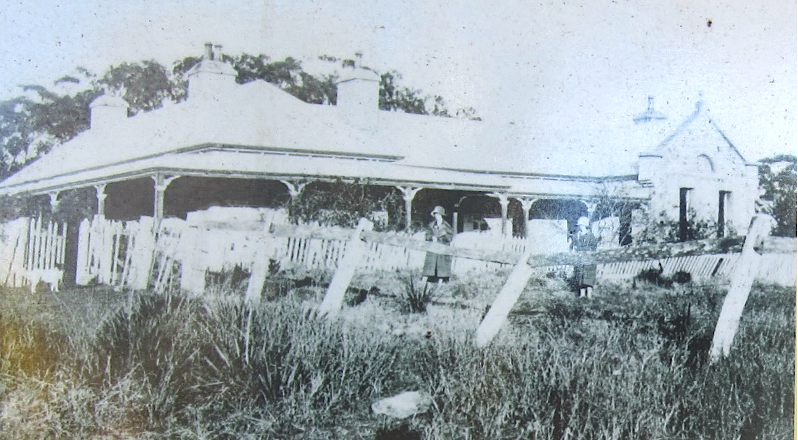
Tanilba House – 1930’s [Tomaree Museum Association]
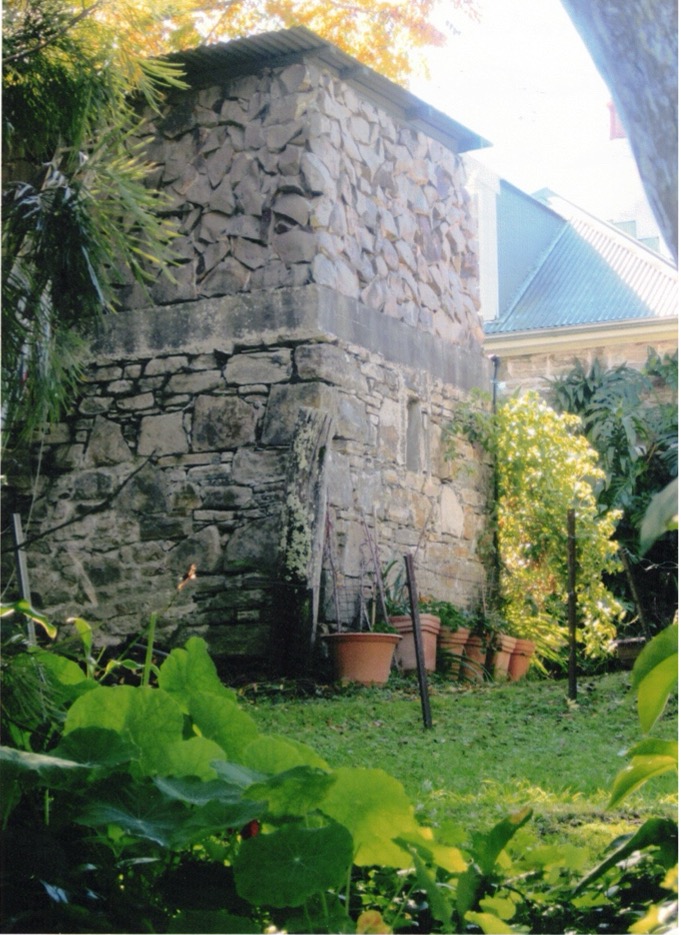
Rear of Convict Gaol (bottom level) adjacent to Tanilba House [Author photo – 2013]
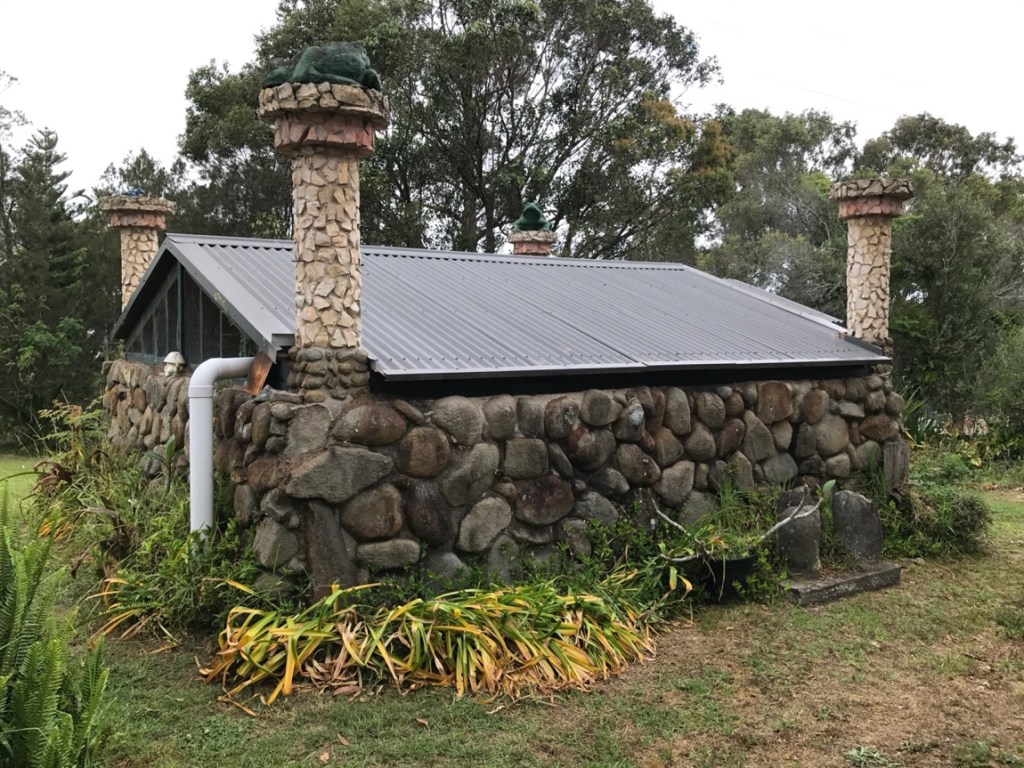
Front of tank adjacent to Tanilba House [Author photo – 2017]
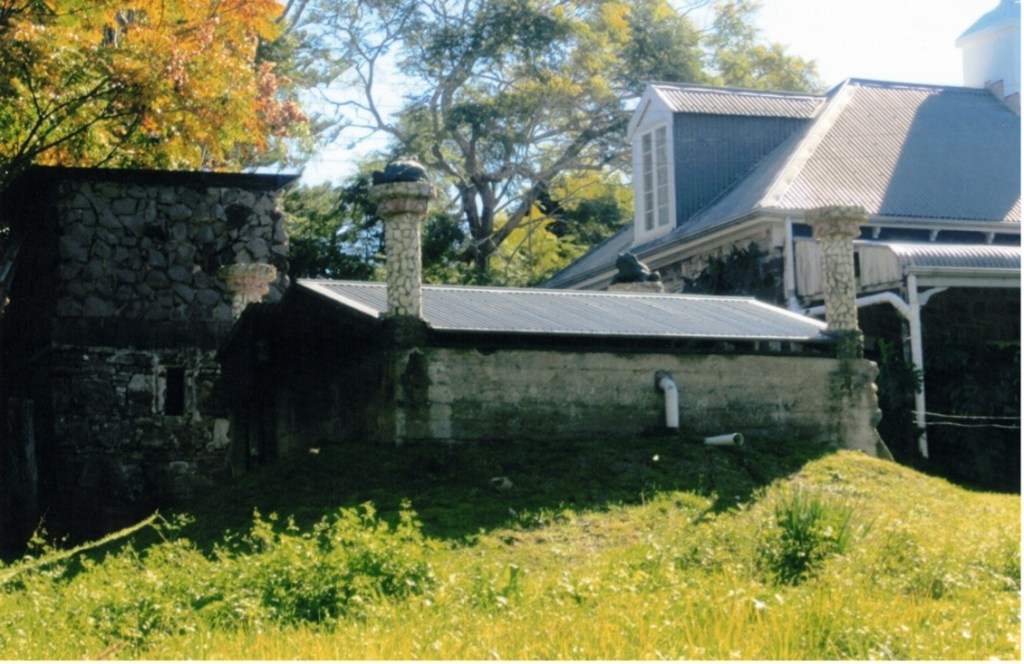
Rear of tank adjacent to Tanilba House [Author photo – 2013]
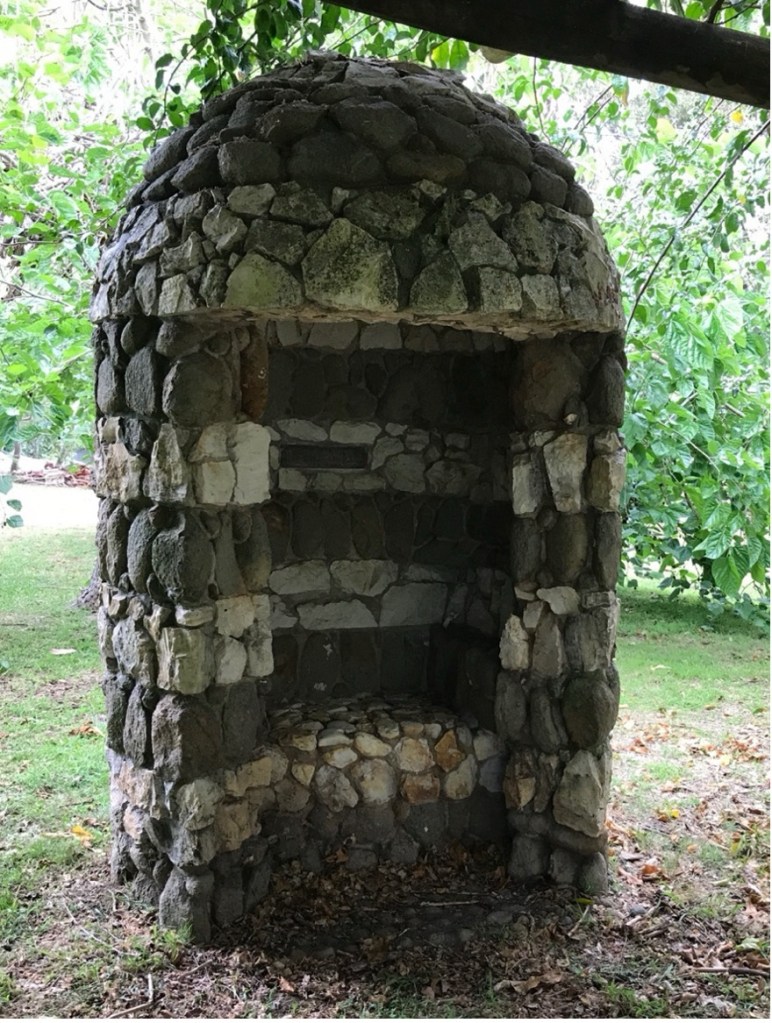
Wishing Chair in the grounds of Tanilba House [Author photo – 2017]
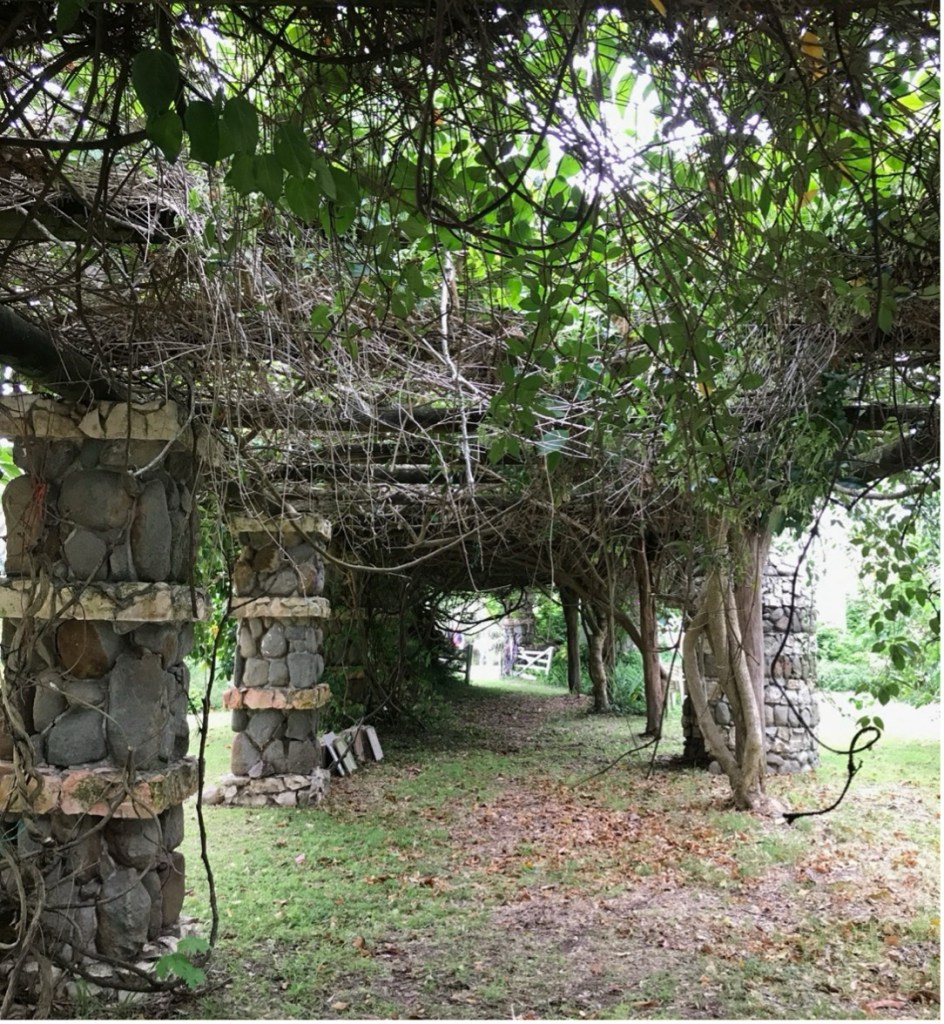
Section of the Tanilba House garden [Author photo – 2017]
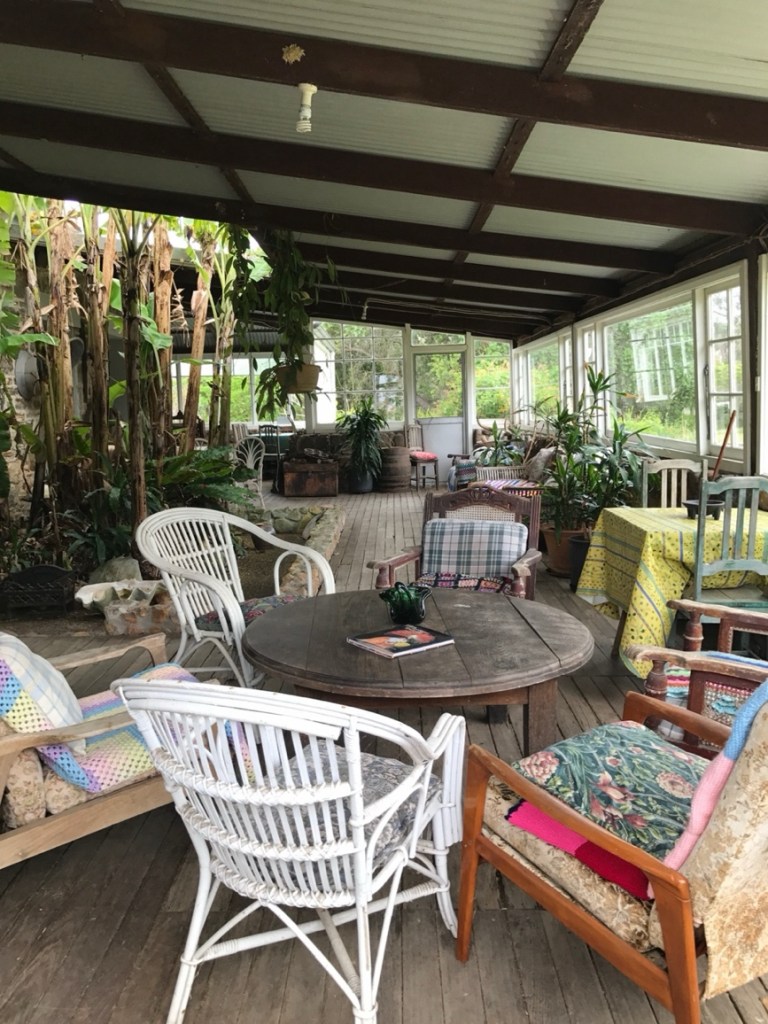
Sunroom of Tanilba House prior to its sale in 2017 [Author photo – 2017]
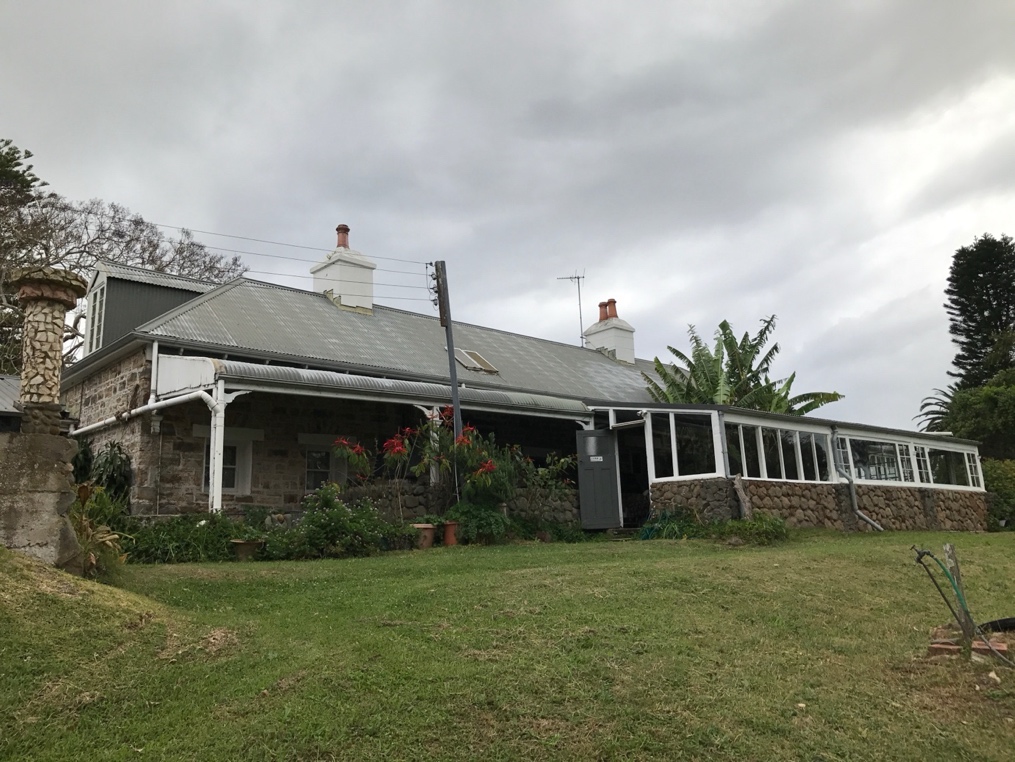
Rear of Tanilba House [Author photo – 2017]
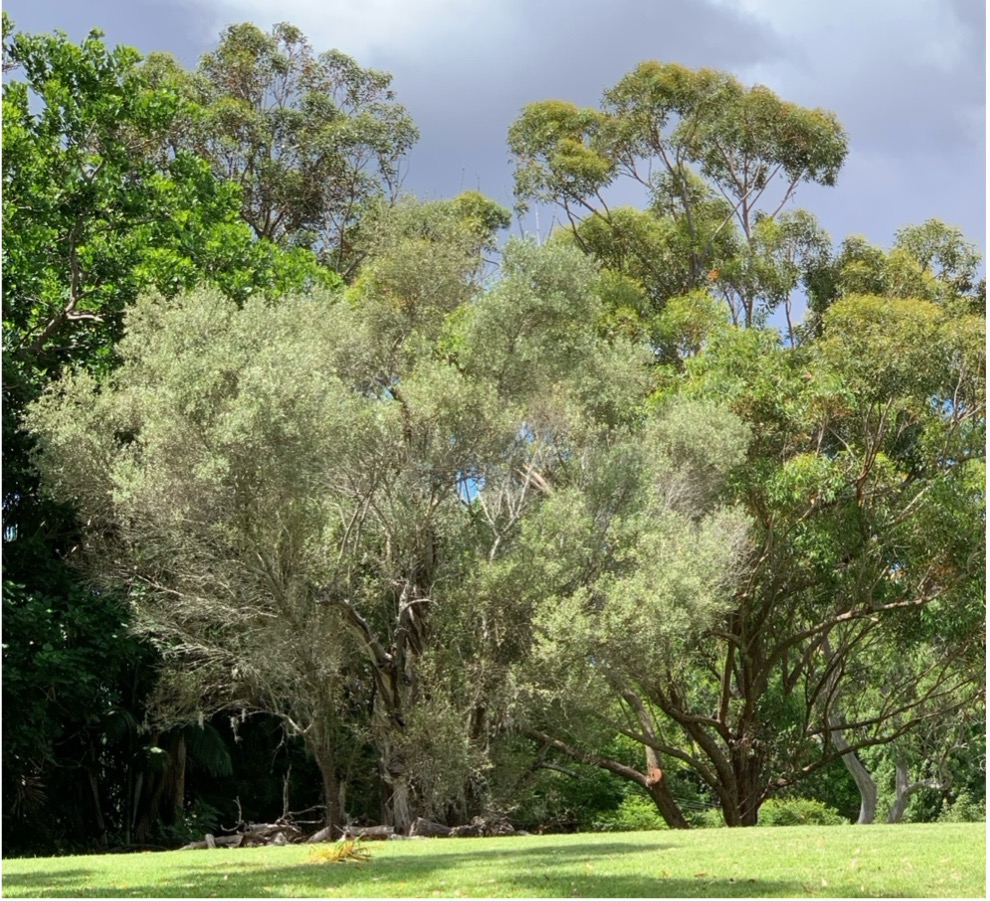
Historic olive tree in grounds of Tanilba planted in 1831 [Author photo – 2022]
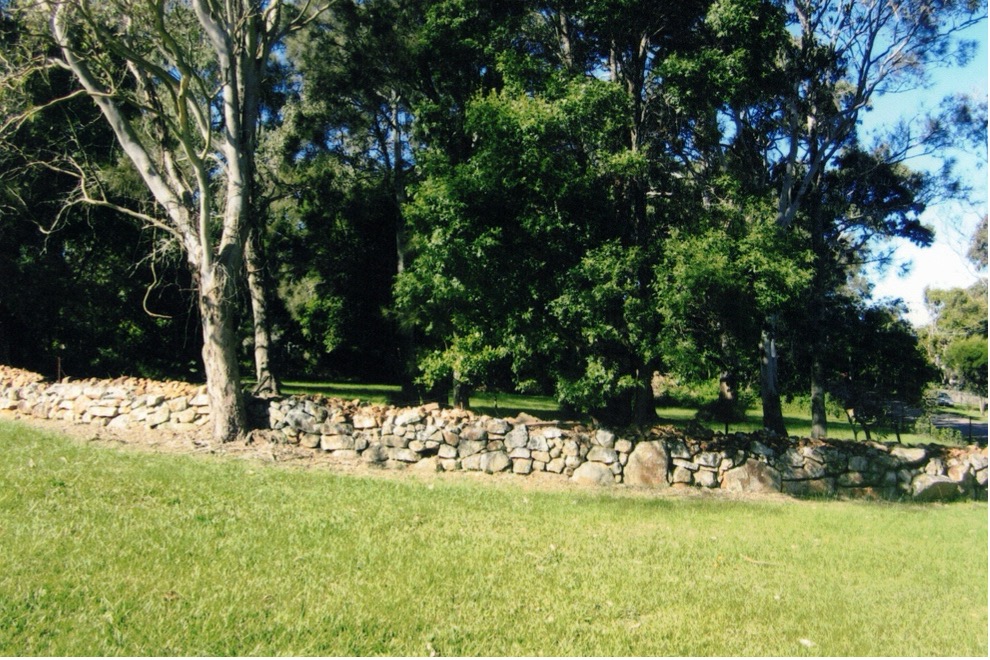
Section of the convict-built fence on boundary of Tanilba House [Author photo – 2013]
Researched and compiled by Kevin McGuinness
October 2025

 Port Stephens - a history exploration