
Introduction
Around the shores of Port Stephens and its beaches there is multiple evidence of the early settlement of aboriginal people in the area.
This consists of coastal shell middens and shield trees marking the cultural imprint of the Worimi people.
This paper visits the likely locations of some of these middens around Port Stephens.
In addition, there is a ‘shield tree’ located near Little Beach, Nelson Bay, the bark of which is believed to have been used by aboriginal people.
Middens
Coastal shell middens are an accumulation of shells containing the remains of marine shellfish eaten by aboriginal people.
They maybe from a single meal or many different meals eaten by generations residing in the surrounding area.
Shell middens are found in sheltered spots in sand dunes, on rock platforms and in coastal scrub and woodland areas.
There are many collections of shells, likely to be aboriginal middens, located throughout the Port Stephens region. Some are currently visible and some are likely unknown are they are covered by vegetation.
The following examples are likely sites of middens:
1. Rock platform below Barry Park which is located on the headland at the southern end of Fingal Bay Beach.
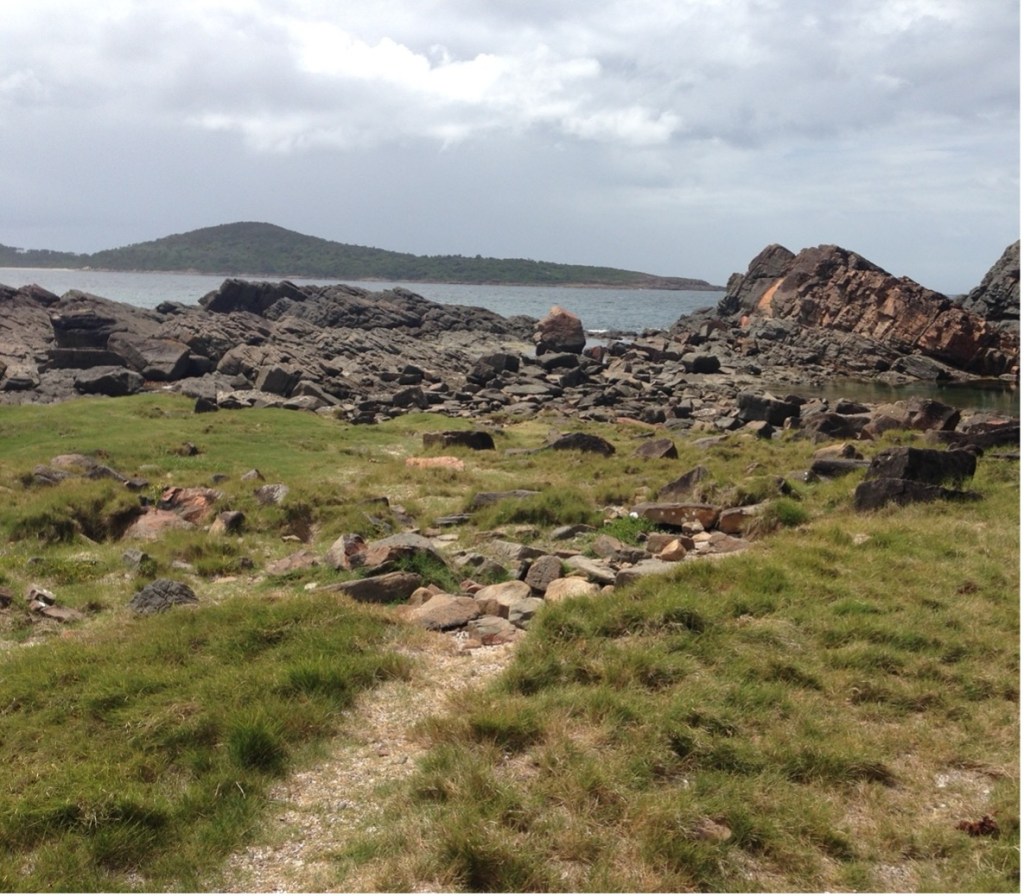
View of Rock platfrom below Barry Park showing middens formation in the middle foreground [Author Photo – February 2015]
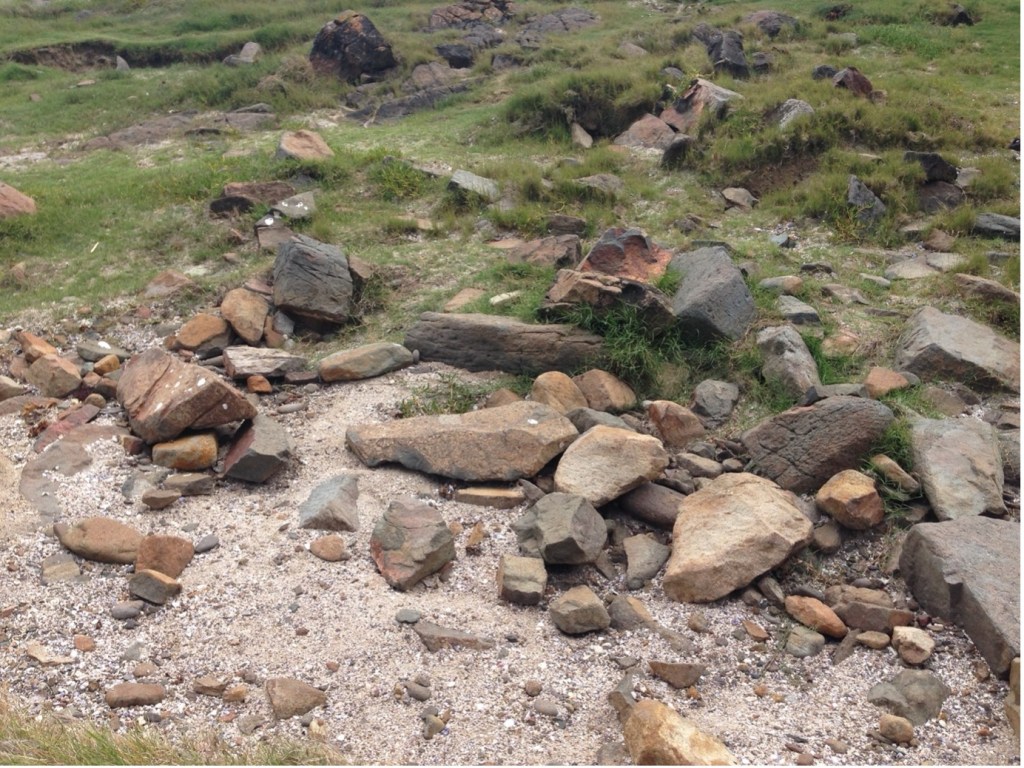
Section of the middens as above [Author Photo – February 2015]
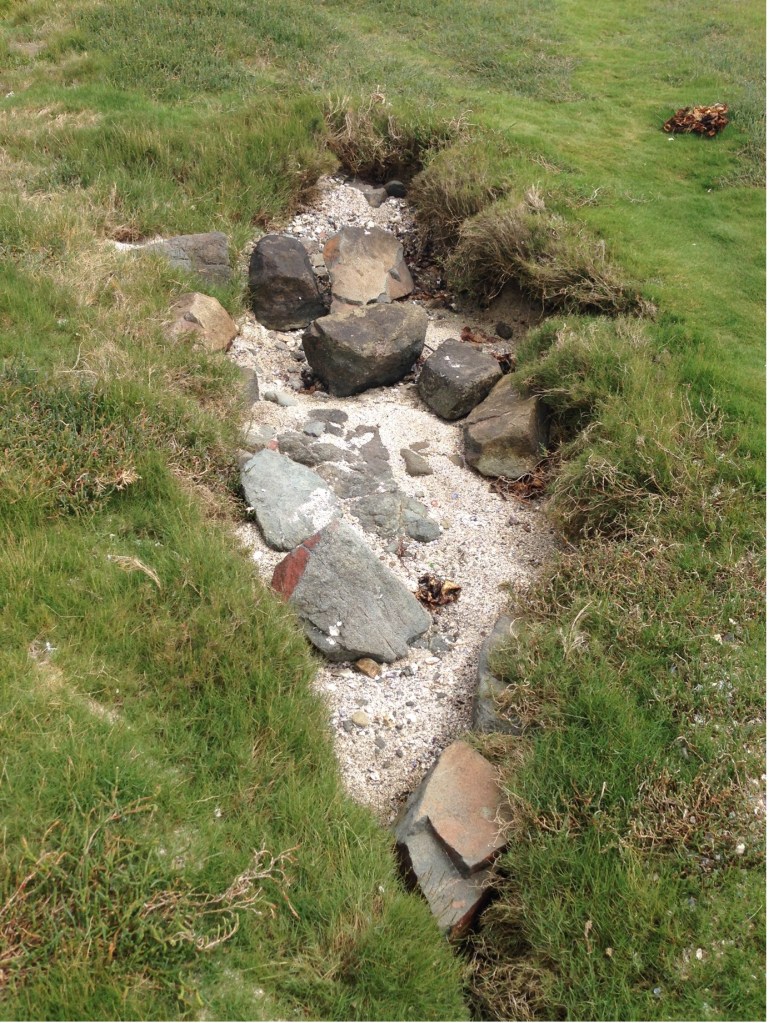
Close up view of the extensive midden on the rock platform [ Author photo – February 2015]
2. Shoreline at the northern end of Birubi Beach
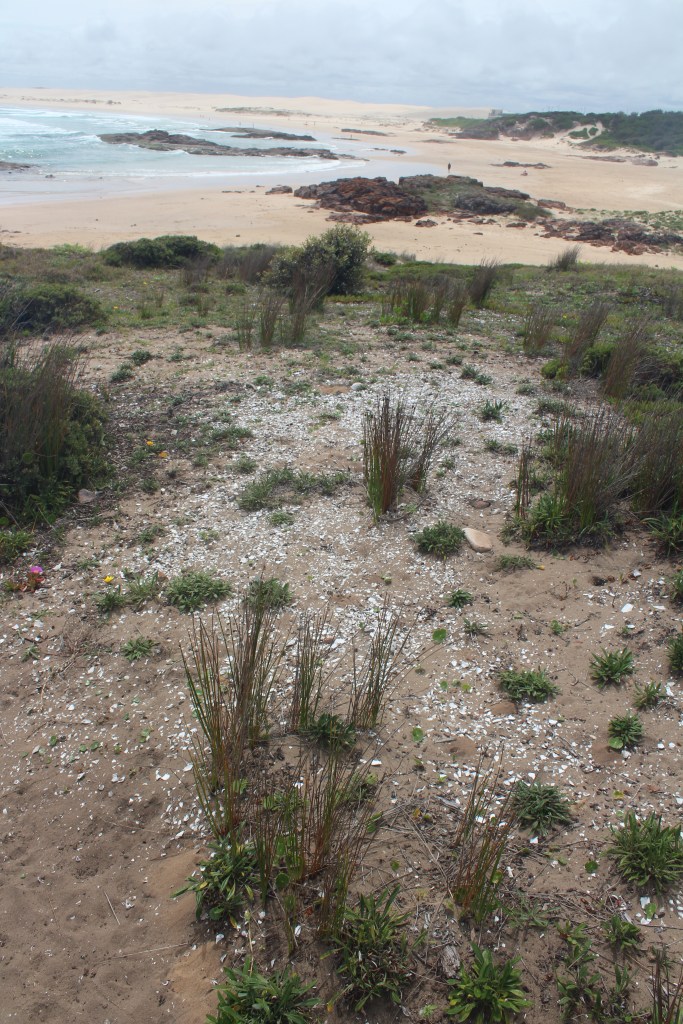
Evidence of an extensive middens landscape at Biriubi Beach – view from the southern end of the Tomaree Coastal Walk [Author Photo November 2023]
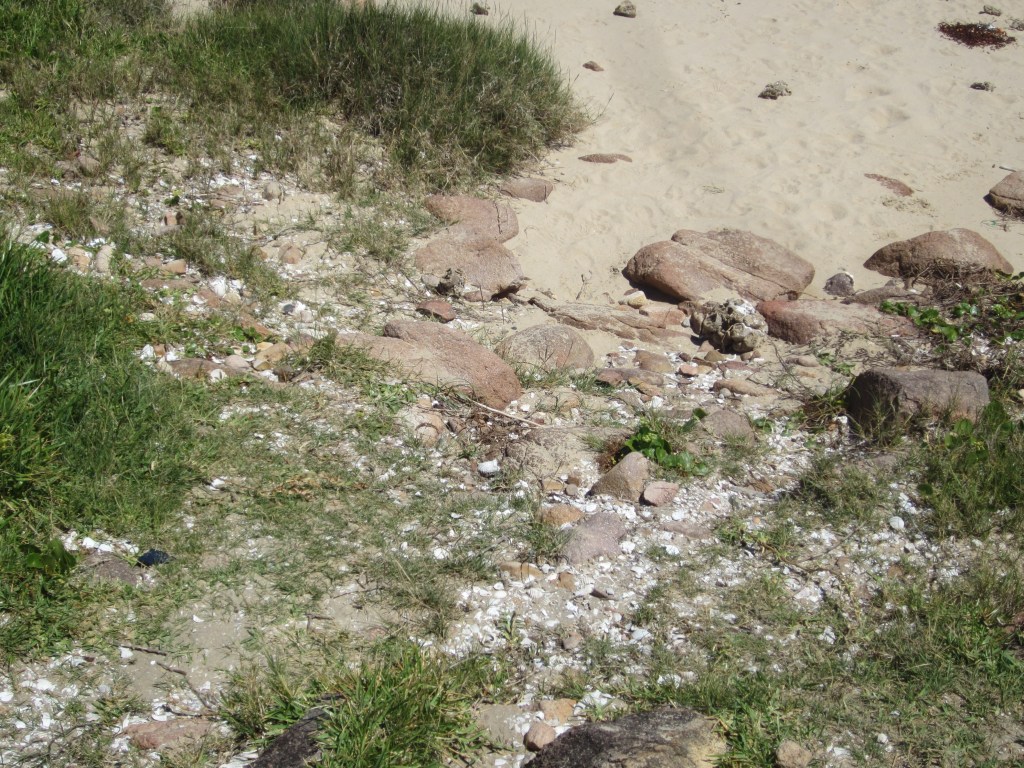
A close up view of middens at Birubi Beach [Author Photo – February 2015]
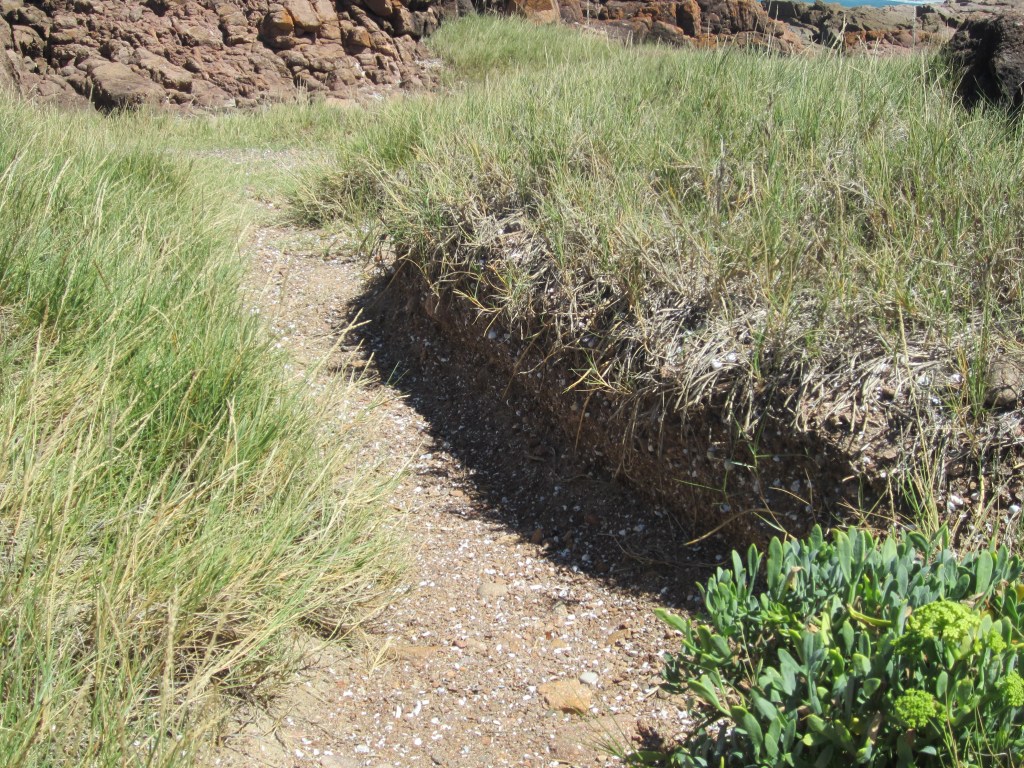
Section of a midden embedded in coastal scrub in a stratified formation [Author photo -February 2015]
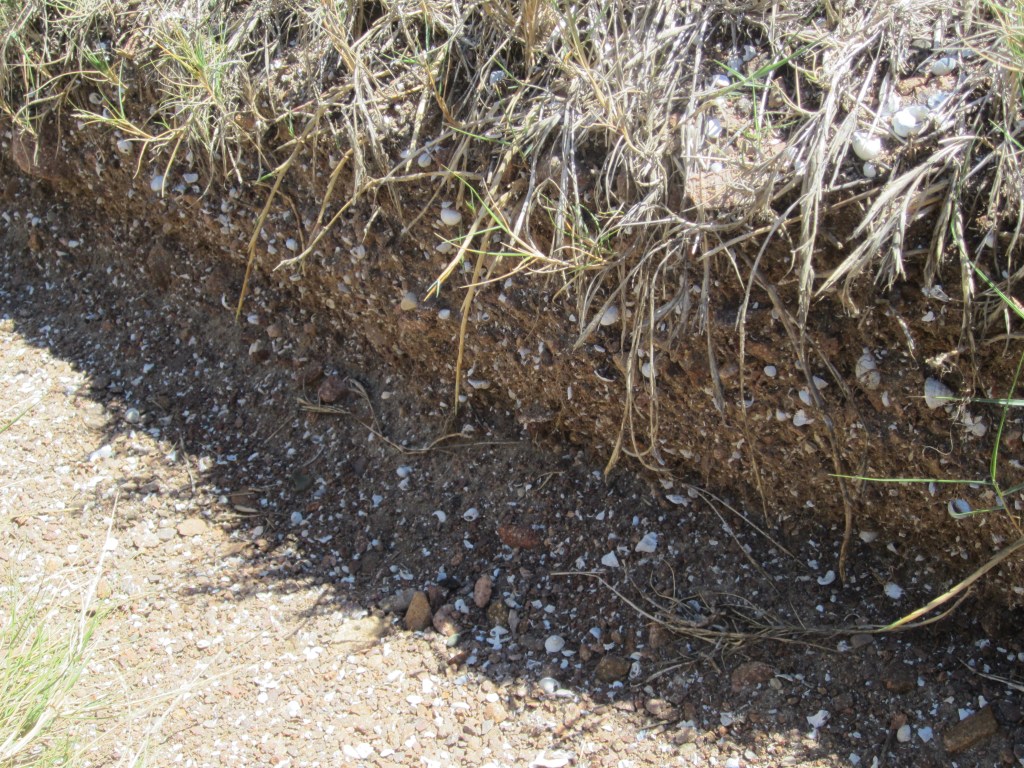
A closer view of the stratified midden [Author Photo – February 2015]
3. Tomaree National Park – on the fire trail at the end of Joleen Crescent, Shoal Bay.
The two sets of middens found here are at a considerable distance and height from the shoreline.
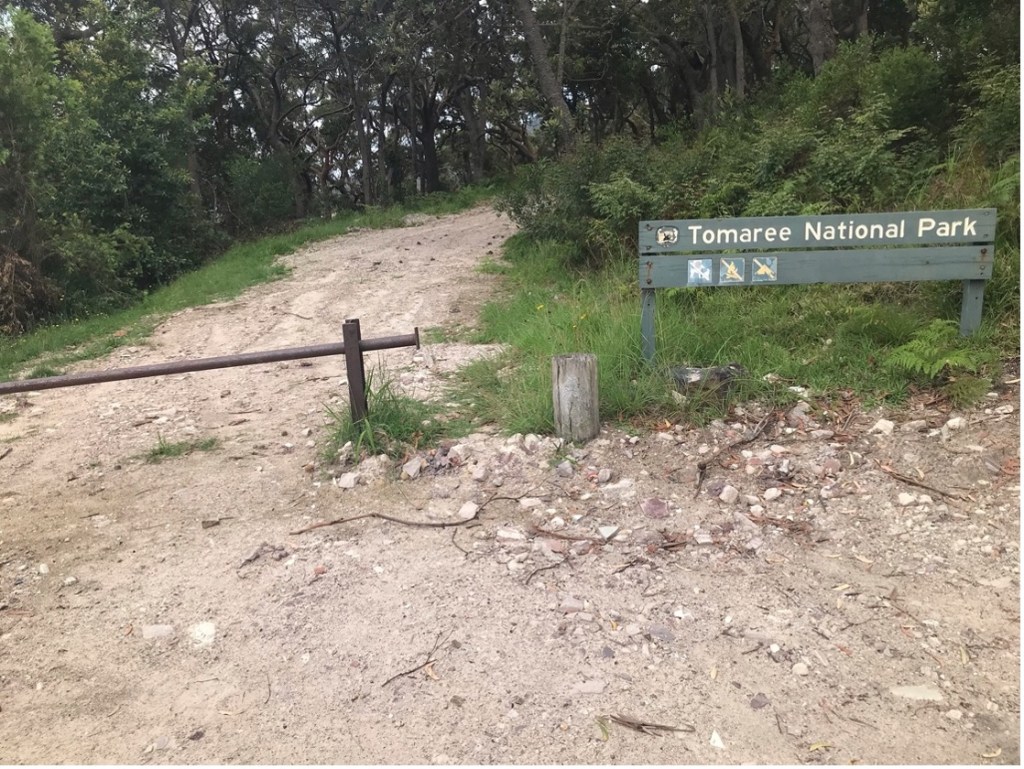
Midden at the entrance to the fire trail, at the end of Joleen Crescent, Shoal Bay [ Author Photo – 2023]

Midden exposed on the side of fire trail [Author Photo – 2023]
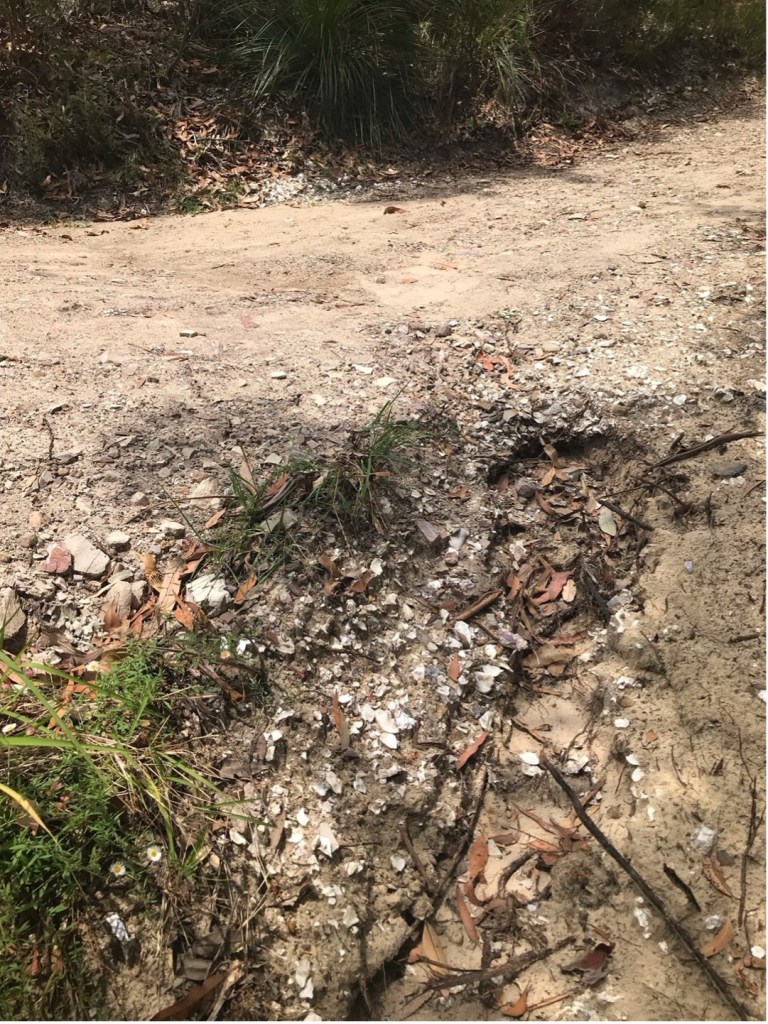
Midden under the trail exposed by water erosion [Author photo – 2023]
4. Route of the Tomaree Coastal Walk to Wreck Beach from the upper car park near Zenith Beach.
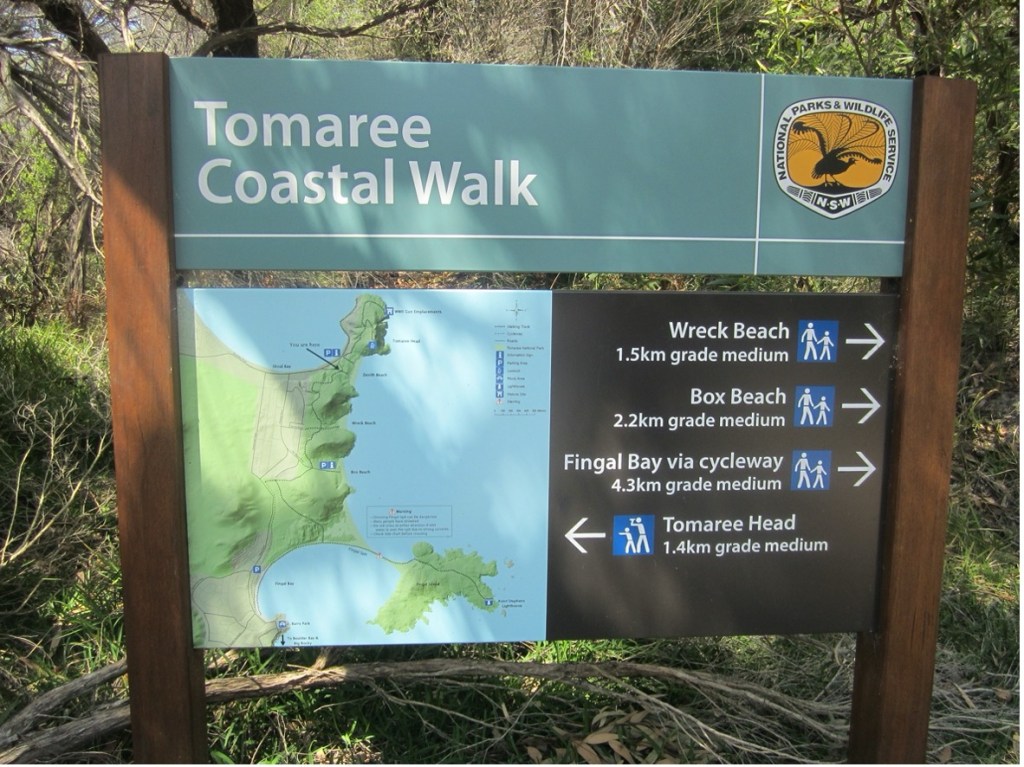
Sign showing the route of the Tomaree Coastal Walk to Wreck Beach on which middens are located [Author Photo – 2023]
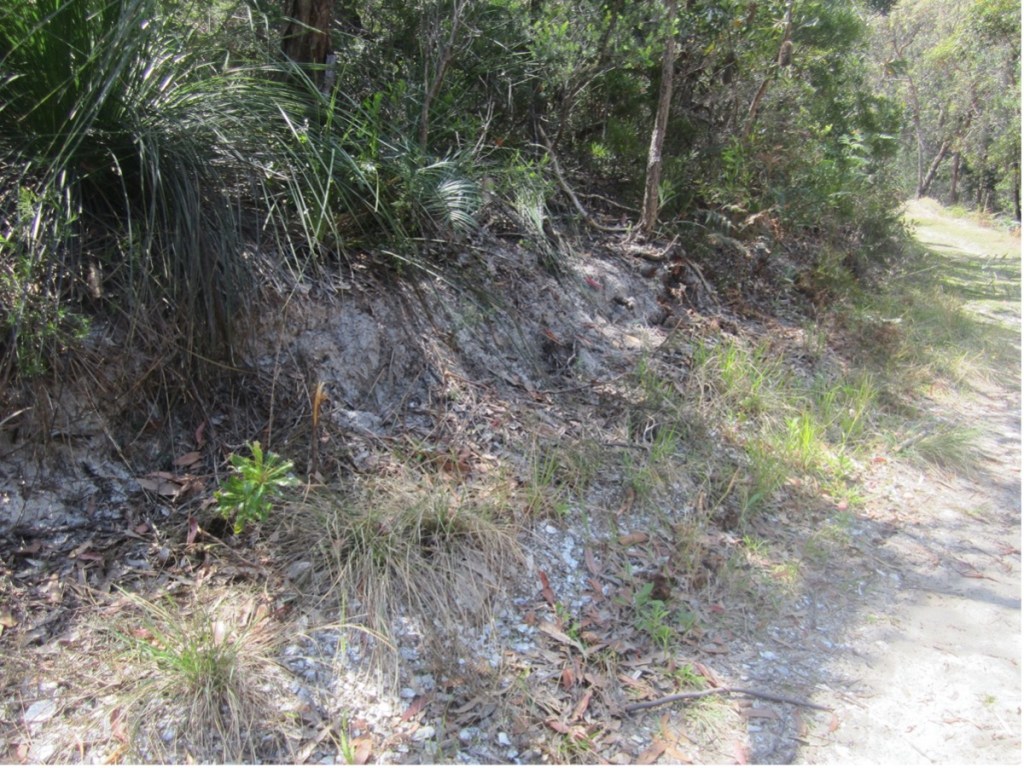
An embankment on the walk showing an exposed midden [Author Photo – 2023]
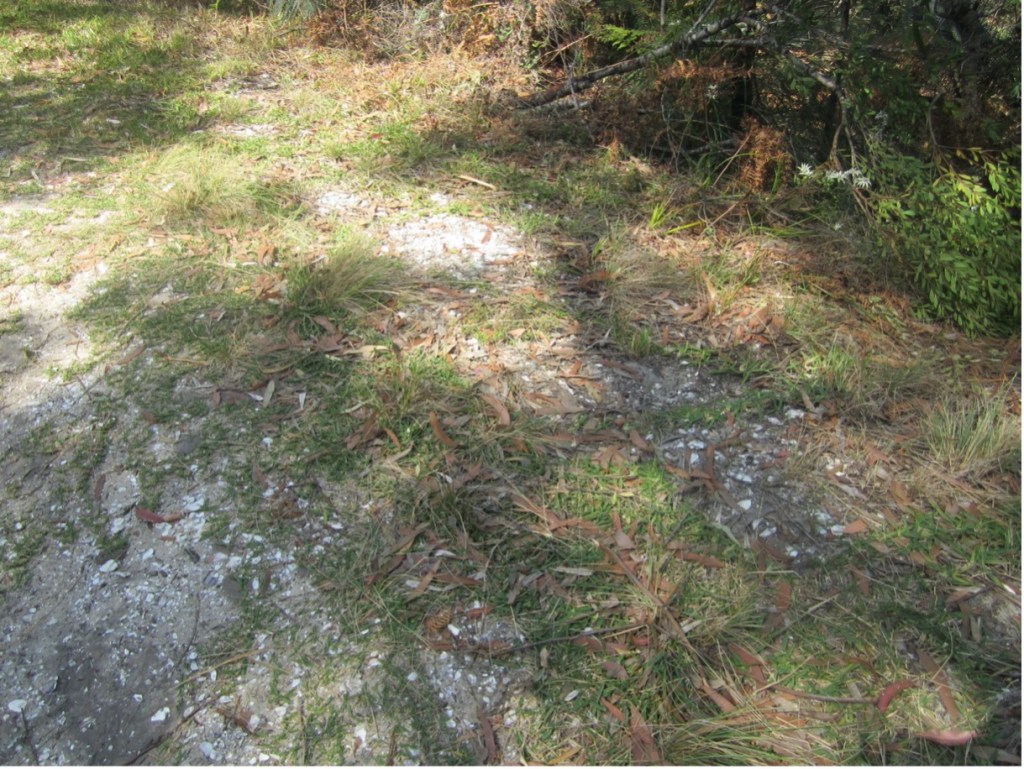
A section of an exposed midden [Author photo – 2023]
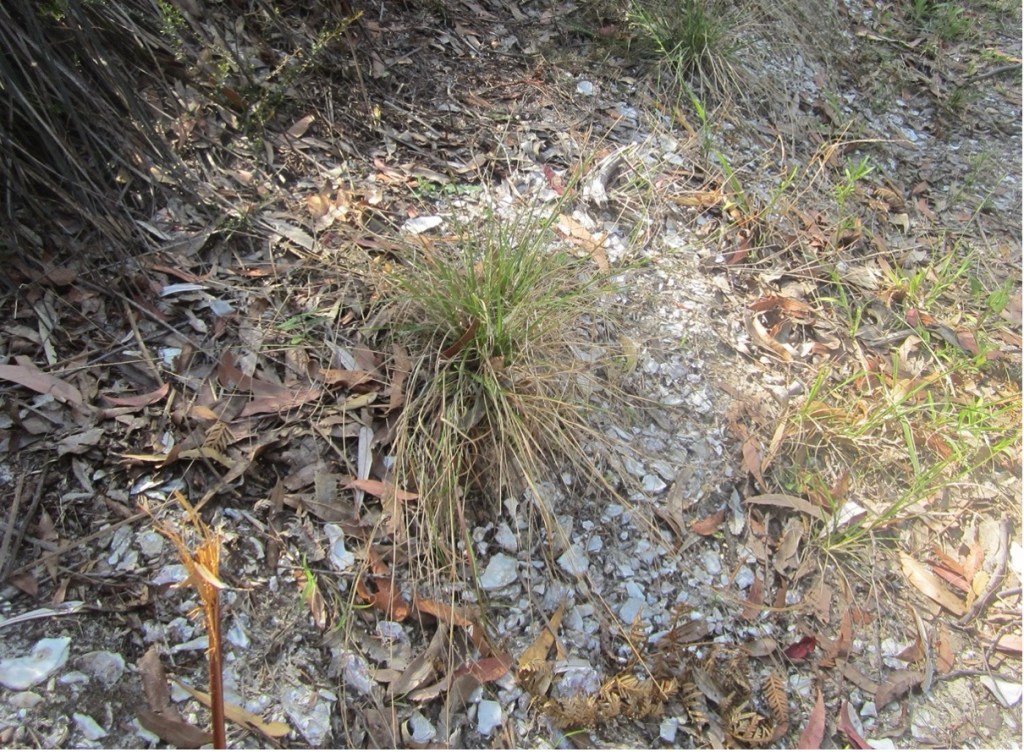
Photo showing the dense nature of the midden [Author Photo – 2023]
Shield Trees
A shield tree, or canoe tree, is a tree from which bark has been removed by aboriginal people for the creation of bark canoes, shelters and weapons such shields, tools and other artefacts.
Around Port Stephens there are many trees that may be mistaken for shield/canoe trees.
It must be appreciated that the local aboriginal people were initially driven from their ancestral lands at Port Stephens following the establishment of the Australian Agricultural Company’s operations at Carrington (at the western end of Port Stephens) in 1826. Only trees with an estimated life of over 200 years could then be possibly considered a shield tree.
A well-known blackbutt tree at Little Beach appears likely to fall into this category.
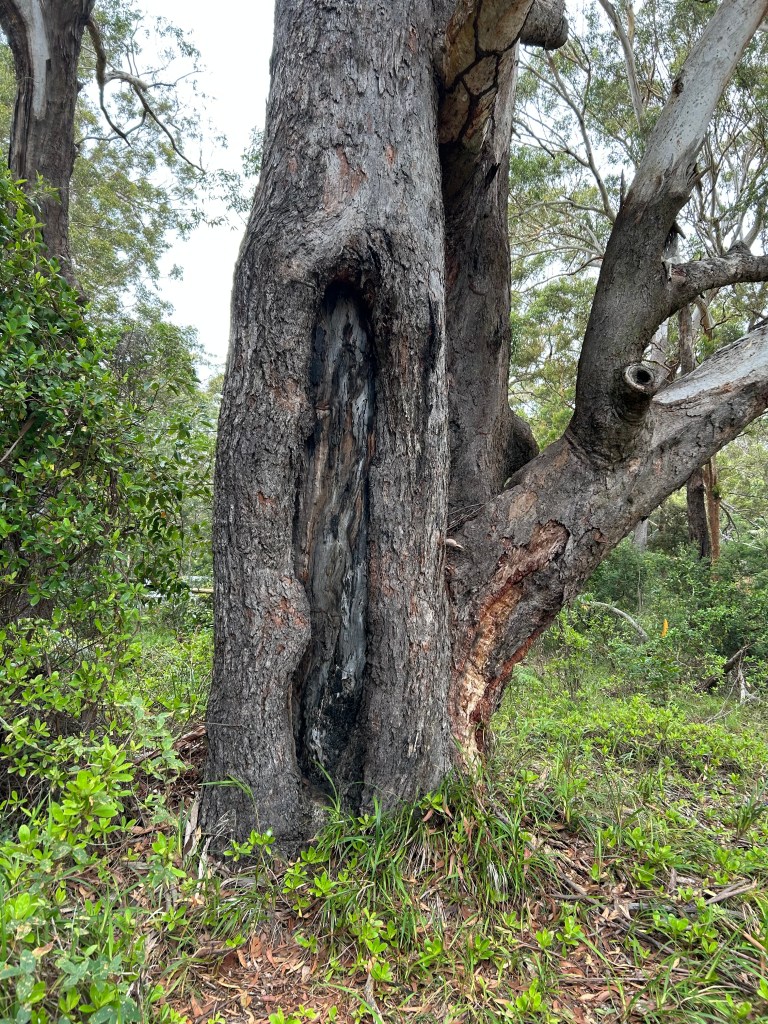
The old blackbutt tree at Little Beach showing how bark has been stripped to be formed into a shield or small canoe [Author photo – December 2024].
Conclusion
Port Stephens as the traditional land of the Worimi People has a rich aboriginal history.
Several aspects of this history are found at the flowing links in this website:
Researched and compiled by Kevin McGuinness
December 2024

 Port Stephens - a history exploration